
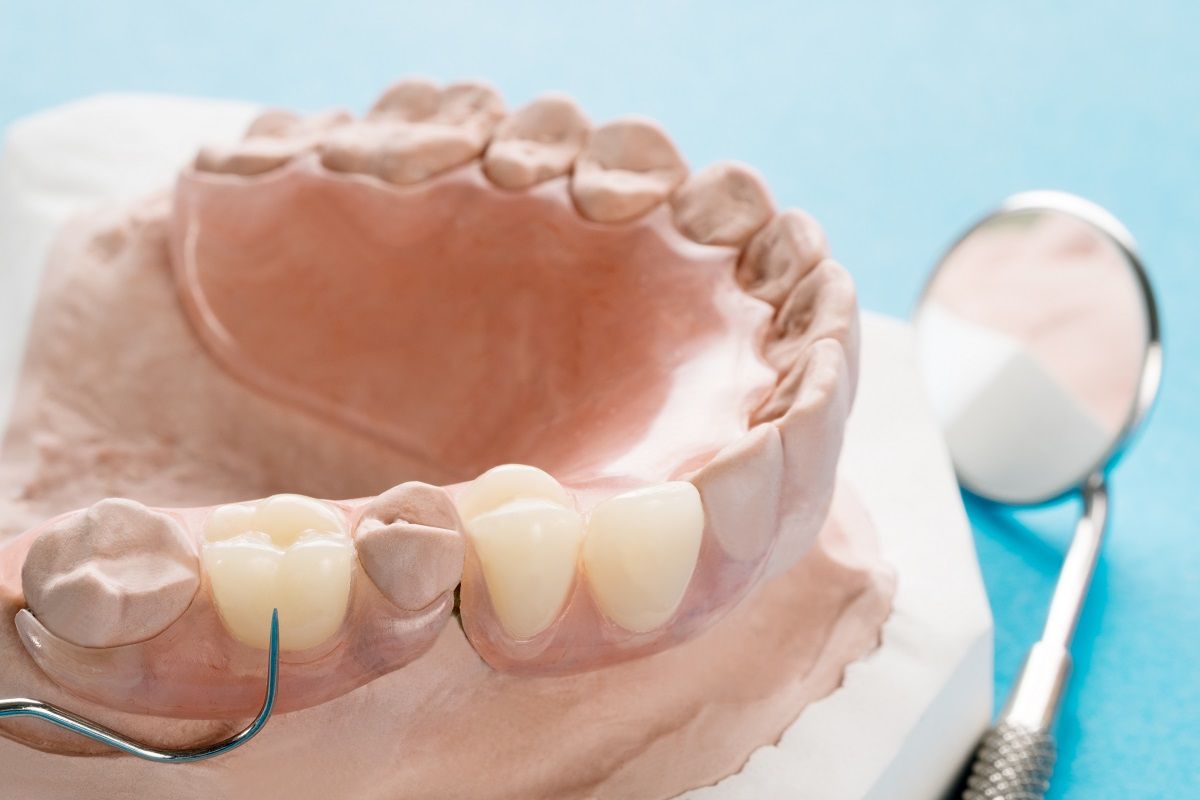
A guide on the best materials for Full & Partial Dentures
Noble Dental Care
August 24, 2022
Dentures are a practical way to replace one tooth, several teeth, or a full arch when tooth loss affects chewing, speech, and facial support. Patients comparing materials for Full & Partial Dentures in Union City often want something that feels stable, looks natural, and fits daily life comfortably. For people from Fremont, Newark, and Hayward, material selection can make the difference between a denture that simply fills a gap and one that supports confident function.
What are the best materials for Full & Partial Dentures?
Below is a helpful guide to common denture materials, how they perform, and which option may suit different oral health needs. A dentist evaluates your gums, remaining teeth, bite strength, bone support, and cosmetic goals before recommending a material.
Acrylic Resin Dentures
Acrylic resin remains one of the most widely used denture materials because it is adaptable, lightweight, and easier to customize for many smiles. It can be shaped to match the gums closely and is often used for complete dentures as well as temporary or transitional appliances. Acrylic resin dentures may offer these advantages:
- They are often more budget-friendly than several other denture materials.
- Acrylic can be adjusted chairside, which helps improve comfort after placement.
- The gum-colored base can be shaded for a more natural appearance.
- With proper cleaning and routine visits, acrylic dentures can serve patients well for years.
There are still limitations to consider. Acrylic can wear over time, may feel bulkier than metal or flexible designs, and can collect plaque if cleaning is inconsistent. Patients should remove and clean dentures daily, keep gums healthy, and schedule adjustments if sore spots appear.
Because acrylic sits directly against the gums, fit is especially important. A loose appliance can rub tissue, affect speech, or make eating less comfortable. Regular checkups allow your dental team to reline, repair, or replace the denture when your mouth changes.
Porcelain Dentures
Porcelain denture teeth are valued for strength, polish, and a tooth-like shine. They can create a natural look, especially in full dentures where opposing natural teeth are not at risk of excess wear. Porcelain may be preferred by patients who want a more durable biting surface and a bright, realistic smile.
However, porcelain is not ideal for every case. It can be heavier, may click during speech, and can wear down natural teeth if used in some partial denture designs. A careful bite evaluation helps determine whether porcelain is suitable or if modern resin teeth would be gentler.
Metal Dentures
Metal frameworks are commonly used in partial dentures because they are thin, strong, and stable. They can clasp around remaining teeth while supporting high-quality resin or composite replacement teeth. For many patients, metal partials feel less bulky than acrylic and provide better long-term support.
Patients considering Full & Partial Dentures in Union City may be advised to choose a metal framework when several healthy teeth remain. For additional perspective, this guide on implant dentures versus traditional dentures explains how stability can vary across replacement options.
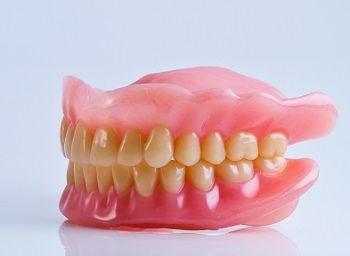
Thermoplastic Flexible Dentures
Thermoplastic flexible dentures are usually used for partial replacement and may help patients who cannot tolerate acrylic or metal. Their bendable base can hug the gums comfortably, and the clasps are often less visible than traditional metal clasps. Common benefits include:
- Lightweight feel
- Accurate fit around the gums
- Thin, flexible base
- Natural-looking appearance
- Comfortable support for selected cases
Flexible dentures can be comfortable, but they are not always simple to repair. If a base cracks, warps, or no longer fits, replacement may be more practical than adjustment. Your dentist can explain whether flexible material matches your bite, gum health, and long-term replacement plan.
Factors to consider when selecting the best material for dentures
When choosing a material, consider durability, comfort, hygiene, bite force, stain resistance, remaining teeth, bone support, and how the denture will be maintained. Patients from Newark or Hayward may also compare removable dentures with implant-supported options for added stability. The American Dental Association denture guide is a useful educational resource for understanding replacement choices.
- Durability
- Cost
- Comfort
- Bonding
- Hygiene importance and ease
- Bone loss
- Staining
You receive the best value when material selection is based on your mouth, not only on appearance or price. A personalized exam can help balance function, esthetics, maintenance, and comfort.
Conclusion
Missing teeth can affect daily meals, speech, confidence, and oral balance, so selecting the right denture material matters. A Union City Dentist can compare your bite, gums, and replacement goals before recommending a final material. Acrylic, porcelain, metal, and flexible materials each have strengths depending on whether you need full or partial replacement. Reading about the implant denture procedure can also help you compare removable and implant-retained solutions.
Contact your Union City Dentist, Dr. Zafar Sayeedi at Noble Dental Care to learn more about full and partial dentures near Fremont.
Share This:
Disclaimer
This media/content or any other on this website does not prescribe, recommend, or prevent any treatment or procedure. Therefore, we highly recommend that you get the advice of a qualified dentist or other medical practitioners regarding your specific dental condition.
Related Articles
Types of upper partial Dentures you need to know.
Compare upper partial dentures, implant-supported options, materials, benefits, and dentist-guided choices for restoring missing teeth.
Full vs. Partial Dentures, which can be a better option?
Compare full and partial dentures, learn when each option works best, and see how Union City patients can restore chewing, speech, comfort, and smile support.
Dental Implants vs Dentures: Which Option Is Better?
Compare which option is better for dental implants and dentures for missing teeth. Learn comfort, stability, function, and care differences.
Types of Dental Crowns: Exploring Your Options
Learn the differences between dental crown types, materials, benefits, and restoration options for a healthier, natural-looking smile.