

Common Types of Complicated Tooth Extraction
Noble Dental Care
September 7, 2022
In most routine extractions, a dentist loosens the tooth and removes it from the socket with controlled pressure. However, some teeth require a more detailed approach because of breakage, infection, root shape, or limited access. Patients researching Wisdom Tooth Extractions Union City often want to understand why certain removals are considered complex and when advanced planning is needed. A skilled Union City Dentist can evaluate the tooth, review X-rays, and explain whether the procedure can be handled in-office or needs surgical support.
Top 5 Common Types of Complicated Tooth Extraction You Must Know
A complicated extraction usually means the tooth cannot be removed by simple lifting or pulling alone. The dentist may need to section the tooth, remove a small amount of bone, protect nearby tissue, or manage a difficult angle. For patients from Fremont, Newark, and Hayward, understanding these common situations can make the treatment conversation less stressful and help them ask the right questions before care begins.
Broken teeth
This situation occurs when there is not enough solid tooth structure above the gum line for the dentist to hold securely. A tooth may become broken because of several reasons, including:
- The tooth has slowly weakened from decay, leaving very little healthy structure
- The tooth fractured, and the visible chewing surface is no longer intact
- The tooth cracked or broke during an earlier attempt to remove it
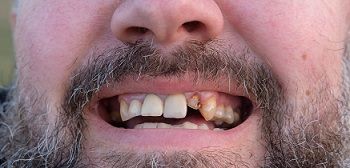
In these cases, the natural crown of the tooth may be partly or completely lost. Since a large portion is missing, the remaining root or fragment can be harder to grip. This often requires careful sectioning, imaging, and gentle removal to protect the surrounding gums, bone, and nearby teeth.
Fragile or cracked teeth
Another complicated extraction happens when the visible tooth looks present but is too fragile to tolerate normal pressure. Cracks, old fillings, or weakened enamel can cause the tooth to split while the dentist is loosening it. In those cases, the socket may still hold root pieces firmly, making removal more complex and increasing the need for steady technique.
Teeth with abnormally curved or long roots
Tooth roots are designed to anchor teeth inside the jawbone. When roots are unusually long, curved, hooked, or positioned close to other structures, extraction becomes more delicate. Patients considering Wisdom Tooth Extractions Union City may face this issue because third molars commonly develop at difficult angles near the back of the mouth.
Treating these teeth like simple extractions can increase the risk of root fracture, tissue irritation, or jawbone stress. Your dentist may use X-rays, controlled movement, and smaller surgical steps to remove the tooth safely. For additional context, the ADA explains that wisdom teeth may need removal when pain, infection, cysts, gum disease, or tooth decay are present in its wisdom teeth guidance.
Impacted teeth
Impacted teeth are blocked from erupting normally because there is not enough room or the tooth is angled under the gum. This often happens with wisdom teeth. If the tooth presses against neighboring teeth or traps bacteria beneath the tissue, surgery may be needed. Patients exploring third molar removal should know that impaction is one of the most common reasons a dentist recommends early evaluation.
Having dense inelastic bone
Sometimes the difficulty is not the visible tooth, but the bone around the roots. Bone may become dense or less flexible due to age, grinding, clenching, or long-term pressure. When the surrounding bone does not expand easily, the tooth may not loosen in the usual way, which can make the extraction longer and more technical.
In more advanced cases, extra bone deposits or difficult root placement may add another layer of complexity. Careful planning helps reduce trauma and supports smoother healing. If you want to compare this topic with other removal cases, read our guide on complex tooth extractions for more practical details.
These are some of the most common complicated tooth extraction types patients should know before treatment. People from Newark, Hayward, and nearby Fremont can also benefit from learning when pain may relate to infection or nerve irritation, as explained in our blog on root canal pain myths.
Conclusion
Not every dental office handles complex tooth removal the same way, because each case depends on tooth position, root shape, bone density, and patient comfort. A careful diagnosis from an experienced Union City Dentist helps you understand whether simple extraction, surgical extraction, or specialist support is the safest option.
Contact your Dentist Union City team, Dr. Zafar Sayeedi, at Noble Dental Care to learn more about complicated tooth extractions and safe wisdom tooth removal.
Share This:
Disclaimer
This media/content or any other on this website does not prescribe, recommend, or prevent any treatment or procedure. Therefore, we highly recommend that you get the advice of a qualified dentist or other medical practitioners regarding your specific dental condition.
Related Articles
Commonly complicated tooth extractions you need to know.
Learn why wisdom teeth, broken teeth, dense bone, and impacted roots may require complex extraction planning, careful imaging, and dental care in Union City.
Root Canal vs. Tooth Extraction: What’s the Best Option
Root canal or extraction? Learn which dental treatment protects your smile, relieves pain, and supports long-term oral health.
How do Panoramic X- Rays works, and why is it useful?
Learn how panoramic dental X-rays guide diagnosis, wisdom teeth checks, and Dental Treatment Union City planning with safer, clearer imaging.
What are the 4 stages of root canal treatment, and how long may it take to recover?
What are the 4 root canal stages? Learn treatment steps, recovery time, aftercare tips, and when to visit a Union City dentist for tooth pain.