
History of Invisible Aligners and Invisalign Technology
Noble Dental Care
November 21, 2024
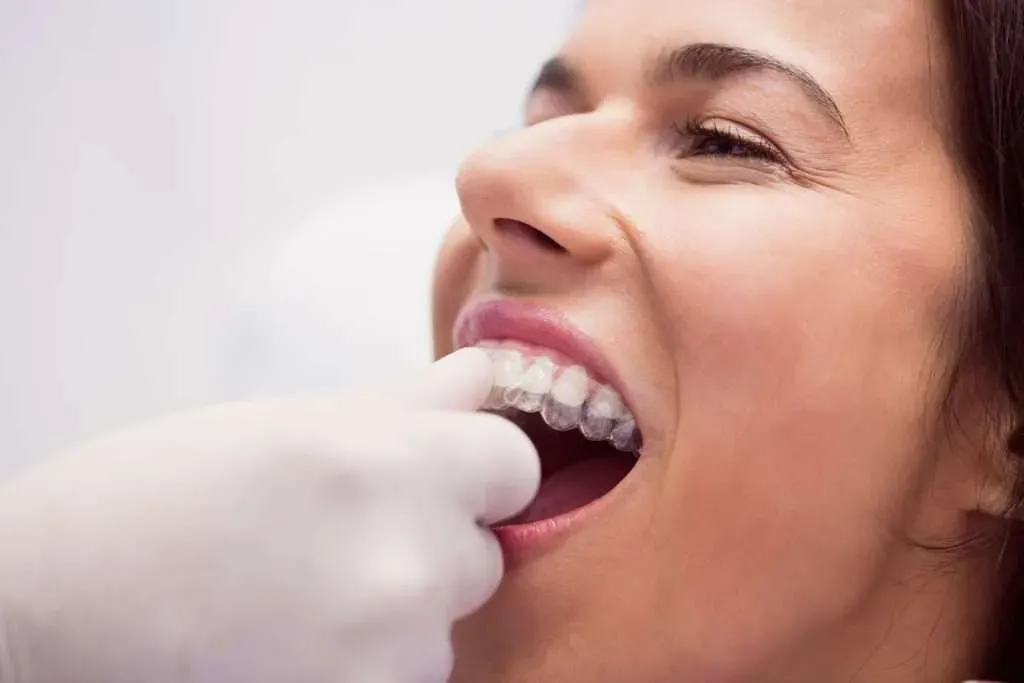
Many people think removable clear aligners began only when Invisalign became popular, but the idea started much earlier. Today, Invisalign Clear Aligners in Union City represent a modern version of decades of orthodontic innovation. The treatment combines digital planning, clear materials, and staged tooth movement to help patients straighten teeth without traditional metal brackets.
Overview of the Clear Aligner Beginning
A Union City Dentist can also explain how today’s digital aligner planning differs from older removable appliances.
The early concept traces back to 1945, when American orthodontist Harold D. Kesling introduced a removable appliance called a tooth positioner. It looked similar to a mouth guard and was used after braces to guide teeth into improved positions. Although it was not the same as today’s aligner therapy, it proved that removable appliances could influence tooth movement.
Decades later, digital imaging, computer-aided design, and 3D manufacturing made it possible to create a full series of custom trays. Invisalign grew from that progress after Zia Chishti recognized that a sequence of retainers could guide teeth much like braces. Align Technology was founded in 1997, and Invisalign reached the market in 1998.
Since then, clear aligners have become a widely recognized orthodontic option. Patients in Union City, Fremont, Newark, and Hayward often appreciate that aligners are removable, transparent, and easier to include in everyday life than fixed brackets.
How Invisalign Aligners Got Their Start
The Invisalign idea developed from a simple observation: retainers already held teeth in place after braces, so a planned series of similar appliances might move teeth step by step. That concept changed how dentists and orthodontists viewed removable orthodontic treatment.
Zia Chishti worked with Kelsey Wirth, Brian Freyburger, and Apostolos Lerios to build the early Invisalign system.
The group used computer modeling, imaging, and manufacturing ideas to design aligners in planned stages.
Their approach helped connect orthodontics with digital treatment planning long before it became common in everyday dental offices.
After FDA clearance and early investment, Invisalign entered dentistry as a new way to straighten teeth with removable trays. Patients who disliked the appearance or feel of braces quickly noticed the advantage of a discreet option. For a related clinical overview, see this guide on what to expect during Invisalign treatment.
Adoption After FDA Clearance
Early adoption was gradual. Many dental professionals were comfortable with braces because brackets and wires had a long record of success. Clear aligner technology was new, and some clinicians questioned whether trays could deliver predictable results for many bite and spacing concerns.
Patient interest helped change that hesitation. Adults and teens wanted an option that looked subtle, felt smoother, and could be removed for meals and oral hygiene. As demand grew, more dentists and orthodontists pursued training and began offering aligner therapy.
The American Dental Association notes that orthodontic treatment can correct crowded or crooked teeth and that removable aligners are one option when supervised by a dentist or orthodontist. Read the ADA overview on orthodontic treatment.
Over time, clear aligner treatment became less experimental and more mainstream. Better software, improved materials, and more clinical experience made treatment planning more precise.
Invisalign Growth Accelerated in the 2000s
The early 2000s were a turning point for Invisalign. National advertising introduced clear aligners to a much wider audience, and more patients began asking dental offices whether they could straighten teeth without visible metal braces.
Professional training also expanded during this period, helping providers understand case selection, digital planning, attachments, refinements, and patient compliance.
How Clear Aligners Changed Orthodontics
Removability changed the patient experience. Aligners can be taken out for eating, brushing, flossing, and special occasions. That convenience made treatment more approachable for adults with work responsibilities and teens with school, sports, and social activities.
Clear trays made orthodontic care less noticeable in daily conversations and photos.
The removable design helped patients maintain better oral hygiene compared with cleaning around brackets.
Digital planning allowed providers to visualize staged tooth movement before trays were made.
Invisalign Teen and other age-specific options later expanded access for younger patients. These improvements helped aligner therapy become a flexible solution for many mild to moderate alignment concerns.
Invisalign Materials and Modern Technology
Modern aligners are shaped by digital scans, planning software, and advanced plastic materials. Patients considering Invisalign Clear Aligners in Union City can benefit from a treatment approach that is more precise and more personalized than early removable appliances.
The technology behind Invisalign includes several tools that work together to make treatment more predictable.
Here are the main features patients should understand:
iTero Element scanner
Digital scanning replaces messy traditional impressions in many cases. The scanner captures a detailed 3D image of the teeth and bite, helping the dentist design a more accurate treatment plan within minutes.
It can also help show a preview of possible smile changes before treatment begins, which makes the process easier to understand.
Digital images support detailed treatment planning.
Progress can be evaluated during aligner checkups.
Accurate scans help improve aligner fit and comfort.
ClinCheck software
ClinCheck software helps map the tooth movement from the first tray to the expected final position. This digital plan guides how each aligner applies gentle pressure during treatment.
SmartTrack material
Invisalign aligners use SmartTrack material, which is designed to fit snugly and apply controlled force. The material helps trays feel smoother while supporting planned tooth movement.
SmartTrack material helps aligners:
Apply steady, gentle pressure on selected teeth.
Improve control during each stage of movement.
Fit closely around the teeth for comfort.
Support efficient alignment when worn as directed.
SmartForce attachments
Some cases need small tooth-colored attachments that help trays grip specific teeth. These attachments allow the aligners to guide more complex movements while staying much less noticeable than metal brackets.
Not every patient needs attachments. Your dentist decides based on your bite, spacing, crowding, and final smile goals.
Clear aligner technology continues to evolve as materials, digital planning, and clinical guidelines improve. This is one reason many patients compare aligners before choosing care; this related article on Invisalign and other clear aligner systems explains those differences in more detail.
Dentist Union City Noble Dental Care helps patients understand whether modern clear aligner technology fits their smile goals, lifestyle, and oral health needs.
Resource:
Share This:
Disclaimer
This media/content or any other on this website does not prescribe, recommend, or prevent any treatment or procedure. Therefore, we highly recommend that you get the advice of a qualified dentist or other medical practitioners regarding your specific dental condition.
Related Articles
What is Invisalign, and how does it work?
What is Invisalign and how does it work? Learn how clear aligners move teeth, correct mild bite issues, and support discreet Union City dental care today.
Why should you get Invisible aligners for your teeth?
Why choose invisible aligners? Learn comfort, hygiene, lifestyle, and smile benefits of clear aligner treatment for Union City patients today with care tips.
Comparing Invisalign to other Clear Aligner systems
Compare Invisalign with other clear aligner systems, including comfort, materials, supervision, treatment planning, and results in Union City.
The benefits of Invisalign over Traditional braces
Compare Invisalign and traditional braces, including comfort, appearance, food choices, cleaning, safety, and dental visits in Union City.