
How can dentists help stop snoring permanently?
Noble Dental Care
April 26, 2023
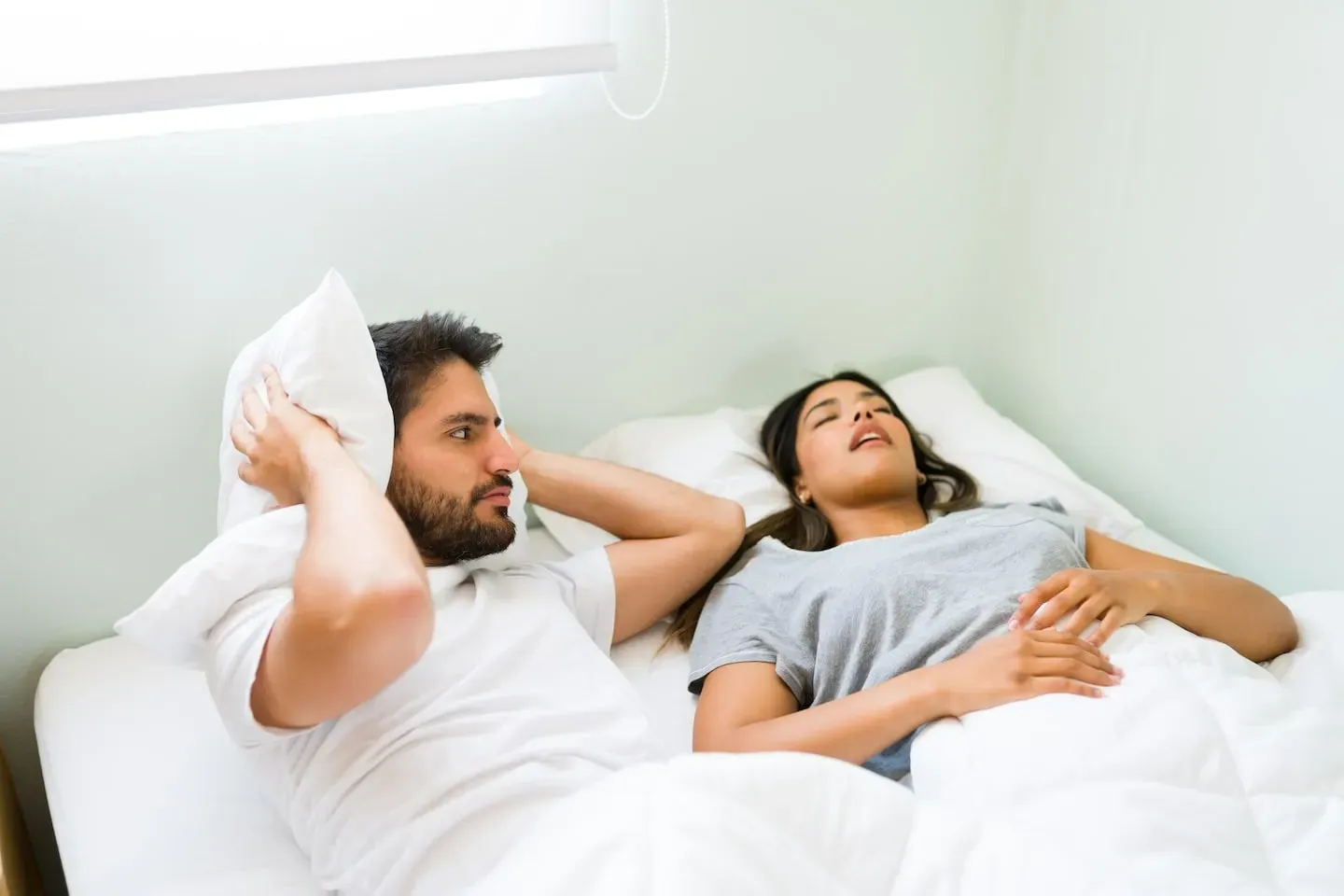
Most people who snore do not realize it until a partner or family member tells them. Snoring can be linked with airway restriction, dry mouth, jaw position, tooth grinding, or obstructive sleep apnea. When damaged teeth, missing teeth, or bite imbalance are also present, Restorative Dentistry in Union City may help patients understand how oral structure and appliance support can work together.
Many individuals are surprised to learn that a dentist can play a role in snoring care. A dentist cannot replace a sleep physician for diagnosed sleep apnea, but dental evaluation can identify worn teeth, jaw strain, narrow oral space, or appliance needs. Patients from Fremont, Newark, and Hayward often ask whether dental therapy may improve sleep comfort.
Top 6 ways your dentist may help you stop snoring permanently.
Snoring usually happens when airflow becomes partly blocked while the muscles relax during sleep. If you need snoring treatment, your dentist may review the bite, teeth, jaw, soft tissues, and lifestyle factors before suggesting the next steps. These options may include the following:
- Lifestyle and medication changes
The first step may be recommending basic lifestyle changes. Two conditions commonly contribute to airway blockage during sleep:
- When excessive tissue narrows the airway
- When muscles relax too much during sleep
So, the following lifestyle and medical conversations might be recommended to support better breathing:
- Reducing weight if weight is contributing to airway narrowing.
- Regular exercise and a healthier diet.
- Avoiding smoking and limiting alcohol near bedtime.
- Discussing sedative medications with a physician.
- Managing allergies or congestion with appropriate medical guidance.
These treatments are often most helpful for people with mild snoring concerns or early airway symptoms.
- Nightlase therapy
If appropriate, a provider may discuss laser-based soft tissue treatment. The goal is to tighten selected tissues in the mouth or airway region so they vibrate less during sleep. This type of therapy is nonsurgical, but it still requires a proper evaluation to decide whether the patient is a suitable candidate.
When soft tissue obstruction is reduced, airflow may become smoother and snoring may decrease. Still, patients with possible sleep apnea should receive medical diagnosis and monitoring rather than relying on snoring sound alone.
- Positive air pressure therapy
Positive airway pressure therapy uses a machine and mask during sleep. The device provides continuous airflow that helps keep the airway open. CPAP is commonly used for diagnosed sleep apnea and may be recommended by a sleep physician when oral appliances alone are not enough.
The treatment can be highly effective, but some people find the mask, sound, or routine uncomfortable. When a patient cannot tolerate CPAP, medical and dental teams may discuss other approaches, including custom oral appliance therapy for selected cases.
- Mouthpiece therapy
Mouthpiece therapy can be a helpful option for some patients with snoring or mild to moderate obstructive sleep apnea. The appliance is custom-made to fit the teeth and may gently support the jaw in a position that helps keep the airway open. The American Academy of Dental Sleep Medicine explains that oral appliances can fit over the teeth and support the jaw forward during sleep.
When you use a custom appliance, your tongue is less likely to fall backward into the throat. If your teeth are worn, missing, or unstable, Full Mouth Reconstruction in Union City may be considered before or alongside appliance planning to create a healthier foundation.
- Using nasal dilators
Light snorers who are not ready for a mouthpiece may try nasal dilators or nasal strips. These tools open the nasal passage during sleep and may reduce mouth breathing. They can be useful when congestion or nasal airflow is part of the problem.
When the nasal airway opens and oral tissues are not blocking the throat, breathing may feel easier. However, nasal strips are usually not enough for severe snoring or suspected sleep apnea. In those cases, professional evaluation is important.
- Recommending sleep apnea pillows
Sleep apnea pillows are designed to improve head and neck position. Elevating the head may reduce gravity-related soft tissue collapse in some people. For mild snoring, this can be a simple supportive step before considering more advanced treatment.
Position changes do not fix every case, but they may improve airflow when combined with hydration, weight management, nasal care, and dental assessment.

What if these treatments do not work?
In some cases, conservative snoring treatment does not work. This is common when a patient has severe obstructive sleep apnea, major nasal obstruction, or significant soft tissue collapse. Surgical options may be discussed only after proper diagnosis and medical evaluation.
- Radiofrequency ablation
Radiofrequency ablation, sometimes called somnoplasty, uses controlled energy to reduce extra tissue in the tongue or soft palate. The goal is to create more space in the airway so tissues vibrate less during sleep.
- Hypoglossal nerve stimulator implantation
This surgically placed device stimulates the nerve that helps move the tongue. When breathing patterns suggest airway blockage, the device helps keep the tongue from falling backward and narrowing the airway.
- Septoplasty
Septoplasty straightens a deviated nasal septum to improve airflow through the nose. It may help when snoring is strongly related to nasal obstruction rather than jaw or tongue position.
- Maxillomandibular advancement
This jaw surgery moves the upper and lower jaws forward to increase space behind the tongue and soft palate. It is generally considered for more complex airway cases under specialist care.
- Adenoidectomy and Tonsillectomy
These procedures remove enlarged tissues from the back of the throat or nose. Removing obstruction may improve airflow, especially when tonsils or adenoids are contributing to snoring.
- Tracheostomy
Tracheostomy is reserved for rare, severe, or life-threatening airway situations when other treatments fail. It creates a direct airway through the neck and is not a routine snoring treatment.
"Dental care can support healthier sleep when bite stability, oral appliances, and airway-focused evaluation are carefully planned."
Benefits of treating Snoring permanently
Snoring treatment may improve quality of life for both the patient and the person sleeping nearby. A Dentist Union City provider can help evaluate oral appliance options, tooth wear, jaw strain, and bite-related symptoms. For additional reading, see five key remedies to help stop snoring.
- Better sleep quality
When snoring improves, sleep can become quieter and less interrupted. Better breathing may also reduce dry mouth, morning fatigue, and nighttime awakenings.
- Better energy levels during the day
With more restful sleep, many people feel more alert during the day. They may experience less drowsiness, better concentration, and a more stable daily routine.
- Improved Health
Treating snoring may also uncover sleep apnea, bruxism, or dental wear that needs attention. If you grind your teeth, understanding occlusal guards and night guards can help you explore protective options.
Conclusion
Snoring happens when airflow is partly blocked by relaxed tissues, jaw position, nasal obstruction, or other factors. It should not be ignored when it affects sleep quality or appears with choking, gasping, dry mouth, headaches, or daytime fatigue. Dental care may help when oral appliances, bite support, tooth wear, or jaw position are part of the concern.
Contact your Union City Dentist, Dr. Zafar Sayeedi, at Noble Dental Care to learn how dentists may help stop snoring permanently.
Resource:
Share This:
Disclaimer
This media/content or any other on this website does not prescribe, recommend, or prevent any treatment or procedure. Therefore, we highly recommend that you get the advice of a qualified dentist or other medical practitioners regarding your specific dental condition.
Related Articles
5 Key Remedies to Help Stop Snoring
Learn five practical snoring remedies, how oral appliances may help, and when a Union City dental visit can support healthier sleep.
How Can Dentists Help Treat Sleep Apnea?
Learn how dentists help treat sleep apnea, when oral appliances may help, and what Union City patients should ask before choosing a treatment plan.
Can dentists help manage sleep apnea and hypertension?
Discover how dentists help manage sleep apnea and hypertension with personalized treatments, oral appliances, and airway care in Union City.
What are the benefits and uses of Occlusal Guard and Night guard?
You may have tooth sensitivity issues directly linked to subconscious activities like teeth grinding and clenching. Your dentist may recommend an occlusal or…