

How to Care for Your Invisalign Aligners
Noble Dental Care
August 16, 2023
Starting treatment with Invisalign Clear Aligners in Union City can feel simple because the trays are smooth, removable, and nearly invisible. Still, they need consistent care every day. Clean aligners help protect your breath, gums, enamel, and treatment progress while keeping each tray clear enough for confident wear at work, school, and social events.
Patients from Union City, Fremont, Newark, and Hayward often choose clear aligners because they fit busy routines better than fixed braces. The best results come when you treat the trays like part of your oral hygiene routine. Rinsing, brushing, safe storage, and avoiding heat can keep the aligners fresh until it is time to switch to the next set.
Best Practices for Caring for Invisalign Aligners
Patients asking a Union City Dentist about aligner care often want routines that are simple enough to repeat daily.
Below are the everyday habits that help keep your trays clean, comfortable, and easier to wear.
Clean Your Invisalign Aligners Correctly
There is an important difference between rinsing and cleaning. Rinsing removes loose saliva or debris, but it does not fully clear plaque film or bacteria from the plastic surface. Proper cleaning helps prevent odor, cloudy stains, and buildup that may affect how fresh your aligners feel throughout the day.
Use the following steps whenever your trays need a more complete cleaning routine:
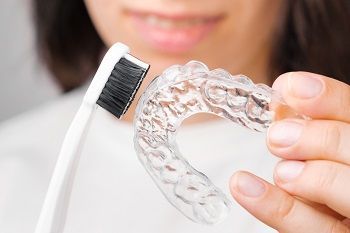
Rinse the aligners with cool or lukewarm water before brushing them.
Use a separate soft-bristled toothbrush rather than the one you use for your teeth.
Brush the inside and outside surfaces gently. A small amount of clear, mild liquid soap may help remove saliva film or tiny food particles without scratching the trays.
Rinse carefully again so no soap taste or residue remains on the aligners.
Place the trays in their case whenever they are not in your mouth.
A clean tray feels smoother, looks clearer, and supports healthier wear time. The American Dental Association explains that removable aligners can be part of orthodontic care when supervised by a dentist or orthodontist, which makes home care and professional instructions equally important. Learn more about orthodontic treatment.
Accessories that help clean aligners
Some patients use Invisalign cleaning crystals or aligner-safe cleaning products to reduce odor and residue. These products are typically dissolved in water, allowing the trays to soak for a short period before they are rinsed and brushed gently.
Avoid guessing with household cleaners. Products that seem harmless may contain color, fragrance, alcohol, or abrasive ingredients. When in doubt, ask your dental team which cleaner is appropriate for your specific aligner system and routine.
For patients comparing cleaning methods and aligner choices, this related guide on Invisalign and other clear aligner systems explains why material quality and dentist-guided planning matter.
How often should aligners be cleaned?
Clean your aligners at least twice daily, ideally when you brush and floss in the morning and evening. This schedule helps remove plaque, saliva, and bacteria before they create odor or make the trays look dull.
You should also clean the trays when they look dirty, feel sticky, or were worn after accidentally drinking anything other than water. Quick cleaning keeps the aligners more comfortable before you place them back on your teeth.
Cleaners to avoid on Invisalign aligners
Not every cleaner is safe for clear plastic trays. Harsh products can scratch, stain, dry out, or change the taste of your aligners. Scratches also make it easier for residue to cling to the surface.
Avoid the following products when cleaning your aligners:
Toothpaste, especially whitening or abrasive formulas.
Scented soaps that can leave a bitter or perfumed taste.
Mouthwashes, especially those with alcohol or strong dyes.
Denture cleaners unless your dentist confirms they are safe for your trays.
Colored soaps, powders, or household disinfectants.
These items may discolor your aligners or weaken their clear appearance.
A firm brush can also leave marks on the plastic, so use light pressure and patient, gentle strokes.
Rinse Aligners Every Time You Remove Them
Rinsing your trays whenever you take them out helps remove saliva before it dries. This small habit is especially useful during meals, meetings, school, or travel between Union City and nearby areas like Fremont, Newark, or Hayward.
Do Not Use Mouthwash on Aligners
Most mouthwash products are made for the mouth, not for clear aligner plastic. Artificial coloring, alcohol, and strong ingredients may stain or affect the shape of the trays. Because Invisalign trays are designed to stay transparent, even light discoloration can make them more noticeable.
Remove the aligners before using mouthwash. After rinsing your mouth, wait until the mouthwash is cleared away before placing clean trays back over your teeth.
Soak Aligners Safely and Regularly
A short soak with an aligner-safe product can help reduce odor and cloudy buildup. Use lukewarm water only, follow the product directions, and brush the trays gently afterward. For treatment planning details, review what to expect during the Invisalign treatment process.
Patients considering Invisalign Clear Aligners in Union City should also understand that clean trays support both appearance and oral health. Consistent care helps your aligners stay comfortable while your teeth move according to the treatment plan.
Do Not Eat With Aligners In
Eating with aligners can feel awkward and may damage the trays. The plastic is not designed to handle chewing pressure, especially from hard, sticky, or crunchy foods. Food can also become trapped inside the tray and sit against your teeth.
Remove aligners before meals and snacks. Drink plain water while wearing them, then brush or rinse before putting the trays back in.
Brush and Floss Before Wearing Trays
If food particles remain between your teeth, the aligners can press them against enamel and gums for hours. This may increase plaque, bad breath, irritation, and cavity risk, especially when trays are worn most of the day.
Brushing and flossing before reinserting aligners keeps the mouth cleaner and helps the trays fit properly over each tooth surface.
Store Aligners in Their Case
Leaving aligners on napkins, counters, bags, or car seats makes them easy to lose or contaminate. A protective case reduces bacteria exposure and helps prevent cracks, bending, or accidental disposal.
Keep the case with you during meals, work, school, and travel. This simple habit is one of the easiest ways to protect your investment.
Brush Your Aligners Twice Daily
Like teeth, aligners collect residue throughout the day. Morning and evening brushing helps control odor and keeps the trays from looking cloudy. Brush both sides so the surface that touches your teeth stays fresh.
Use gentle pressure and avoid abrasive paste. Clear, mild soap and cool water are often enough for routine cleaning.
Avoid Heat When Cleaning Aligners
Hot water may seem like a better disinfectant, but it can warp clear aligners. Even a small change in shape can affect fit, comfort, and tooth movement. Dishwashers, boiling water, and hot car storage should be avoided.
Use lukewarm or cool water instead. If a tray feels distorted, call your dental team before continuing to wear it.
Do Not Ignore Cracks or Rough Edges
Small cracks, sharp spots, or rough edges can irritate your lips, cheeks, and gums. They may also affect how evenly pressure is applied to the teeth. Never trim or reshape aligners without guidance.
If something feels wrong, contact the office for advice. Careful removal and storage can help prevent many tray issues.
Good aligner care keeps trays clearer, breath fresher, and treatment more comfortable. It also protects your oral hygiene while your teeth gradually shift into better alignment.
Union City Dentist Noble Dental Care helps patients understand clear aligner care before, during, and after treatment.
Resource:
Share This:
Disclaimer
This media/content or any other on this website does not prescribe, recommend, or prevent any treatment or procedure. Therefore, we highly recommend that you get the advice of a qualified dentist or other medical practitioners regarding your specific dental condition.
Related Articles
Invisalign for Adults: Pros and Cons
Explore Invisalign pros and cons for adults, including comfort, hygiene, wear time, lifestyle fit, and when to see a Union City dentist.
The benefits of Invisalign over Traditional braces
Compare Invisalign and traditional braces, including comfort, appearance, food choices, cleaning, safety, and dental visits in Union City.
Why should you get Invisible aligners for your teeth?
Why choose invisible aligners? Learn comfort, hygiene, lifestyle, and smile benefits of clear aligner treatment for Union City patients today with care tips.
Invisalign for Teenagers: Pros and Cons
Learn the pros and cons of teen Invisalign, daily wear rules, comfort, hygiene, and when parents should consult a Union City dentist.