
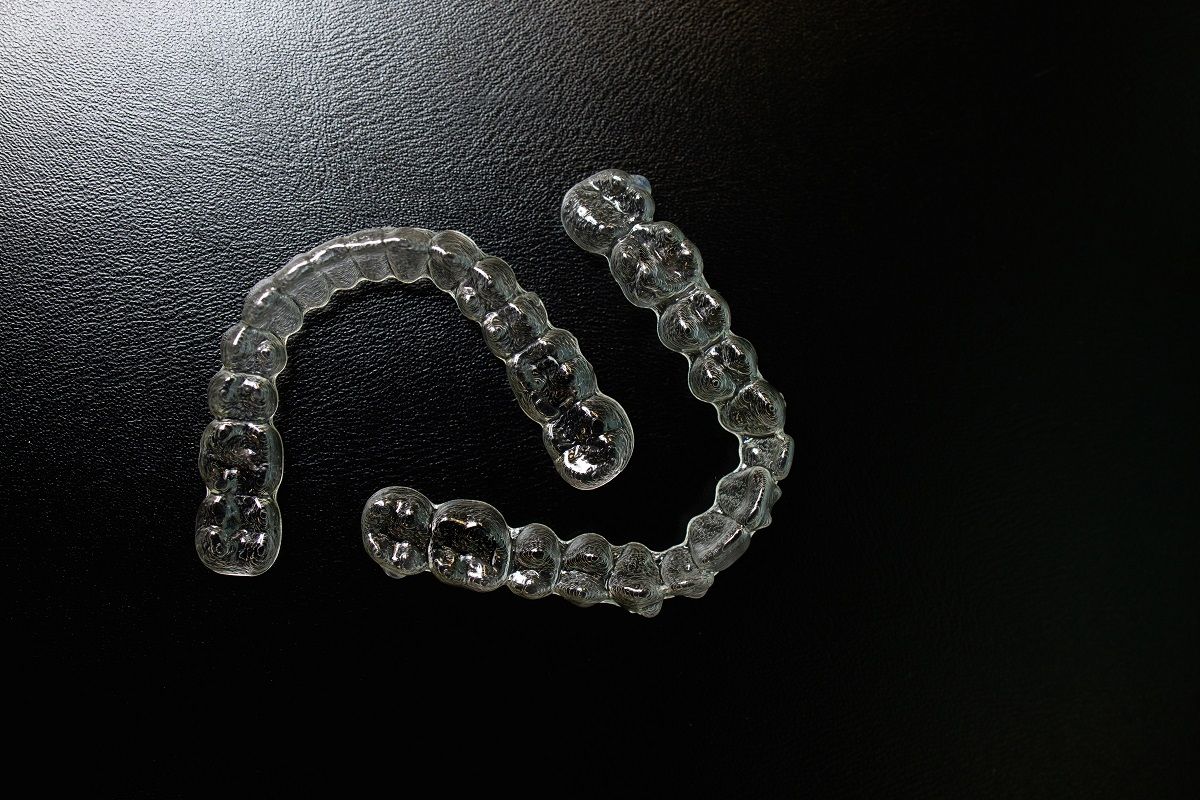
Occlusal guard vs. Night Guard, which is the better option?
Noble Dental Care
October 18, 2022
Selecting the right guard for your mouth is important, especially when grinding, clenching, jaw pressure, or worn enamel starts affecting daily comfort. For patients comparing mouth guards with broader smile repair, Restorative Dentistry in Union City can help explain how protection, bite balance, and tooth preservation work together. People from Fremont, Newark, and Hayward often ask whether an occlusal guard or a night guard is the better option for long-term oral health.
"Protecting your bite today can help preserve your teeth, comfort, and confidence for many years ahead."
Noble Dental Care
What is an occlusal guard?
An occlusal guard is a removable dental appliance that fits over the teeth to reduce damage from grinding or clenching. It does not cure bruxism, but it creates a protective barrier between upper and lower teeth. This helps limit enamel wear, small fractures, muscle strain, and pressure on dental restorations such as crowns, bridges, veneers, or fillings.
What are the benefits of the occlusal guard?
- More comfortable sleeping experience
A custom occlusal guard is made to match the shape of your teeth, so it usually feels thinner and more stable than a generic store-bought guard. By reducing heavy bite pressure, it may help with jaw soreness, morning headaches, neck tension, and tooth sensitivity. Better comfort can support calmer sleep and a more relaxed start to the day.
- Grinding and clenching prevention to prevent tooth fracture and decay
Bruxism can slowly weaken enamel, loosen restorations, and increase the risk of chips or cracks. Wearing an occlusal guard keeps the teeth from rubbing directly against one another. This is especially helpful for patients who already have restorative work, because crowns, bridges, and bonded areas need protection from repeated nighttime force.
- Good for daytime
Occlusal guards can also be useful during the day for people who clench while working, driving, exercising, or concentrating. A dentist may design a slimmer appliance that is less visible and easier to wear. In some cases, guard therapy becomes one part of Full Mouth Reconstruction in Union City when tooth wear, missing teeth, or bite collapse require a broader plan.
What is a night guard?
A night guard is made mainly for sleeping hours. It is commonly recommended for patients who grind or clench at night due to stress, anxiety, airway issues, or bite imbalance. Night guards cushion the teeth while the jaw muscles are active during sleep. For patients who also snore, dental appliances may sometimes be discussed with sleep-related care, and the American Academy of Dental Sleep Medicine explains how oral appliance therapy may support snoring and obstructive sleep apnea management.

What are the benefits of night guard?
- Improved sleep quality
People who grind their teeth during sleep may wake with jaw fatigue, tooth tenderness, or headaches. A night guard gives the teeth a smooth protective surface and helps reduce the intensity of clenching damage. While it may not remove the cause of grinding, it can make sleep more comfortable and prevent small dental problems from becoming bigger restorative concerns.
- Decreased jaw pain and headache prevention
Jaw pain and headaches often occur when the muscles around the temporomandibular joints stay tense for hours. A well-fitted night guard helps distribute pressure more evenly. Patients in Union City and nearby Newark or Hayward may find that consistent use reduces morning soreness, especially when combined with stress management, dental evaluation, and regular follow-up visits.
- Snoring prevention
Some oral appliances can help keep the lower jaw in a better position during sleep, which may reduce airway narrowing for selected patients. A standard night guard is not the same as a sleep apnea appliance, but a dental exam can identify whether snoring, clenching, or worn teeth are connected. For more context, read how dentists may help with snoring treatment.
Occlusal guard vs. Nightguard, which is a better option?
Both appliances protect teeth, but the better choice depends on when grinding happens and what damage is already present. If you only clench at night, a night guard may be enough. If you grind during the day and night, an occlusal guard may offer more flexible protection. A Union City Dentist can check bite wear, enamel loss, restorations, and jaw symptoms before recommending the most suitable guard.
If your teeth are already chipped, shortened, sensitive, or restored, guard therapy may be only one part of a larger restorative plan. A dental exam can determine whether fillings, crowns, bonding, bite adjustment, or other solutions are needed. Patients from Fremont, Newark, and Hayward can also review simple remedies that may help reduce snoring when nighttime breathing and dental symptoms appear together.
Conclusion
Occlusal guards and night guards look similar, but they are designed for different patterns of grinding, clenching, and tooth protection. The best option depends on your habits, bite condition, existing restorations, and sleep symptoms. When chosen correctly, the right guard can help protect enamel, reduce discomfort, and support long-term restorative dental health.
Contact your Union City Dentist, Dr. Zafar Sayeedi, at Noble Dental Care to learn more about Occlusal guard vs. Night Guard.
Share This:
Disclaimer
This media/content or any other on this website does not prescribe, recommend, or prevent any treatment or procedure. Therefore, we highly recommend that you get the advice of a qualified dentist or other medical practitioners regarding your specific dental condition.
Related Articles
What are the benefits and uses of Occlusal Guard and Night guard?
You may have tooth sensitivity issues directly linked to subconscious activities like teeth grinding and clenching. Your dentist may recommend an occlusal or…
5 Key Remedies to Help Stop Snoring
Learn five practical snoring remedies, how oral appliances may help, and when a Union City dental visit can support healthier sleep.
How can dentists help stop snoring permanently?
Learn how dentists may help reduce snoring with oral appliances, bite support, lifestyle guidance, and care for related dental concerns.
What is Oral Sedation, and how does it works in dentistry?
Learn how oral sedation works, who it helps, and when a Union City dentist may recommend it for calmer, safer, and more comfortable dental care visits.