
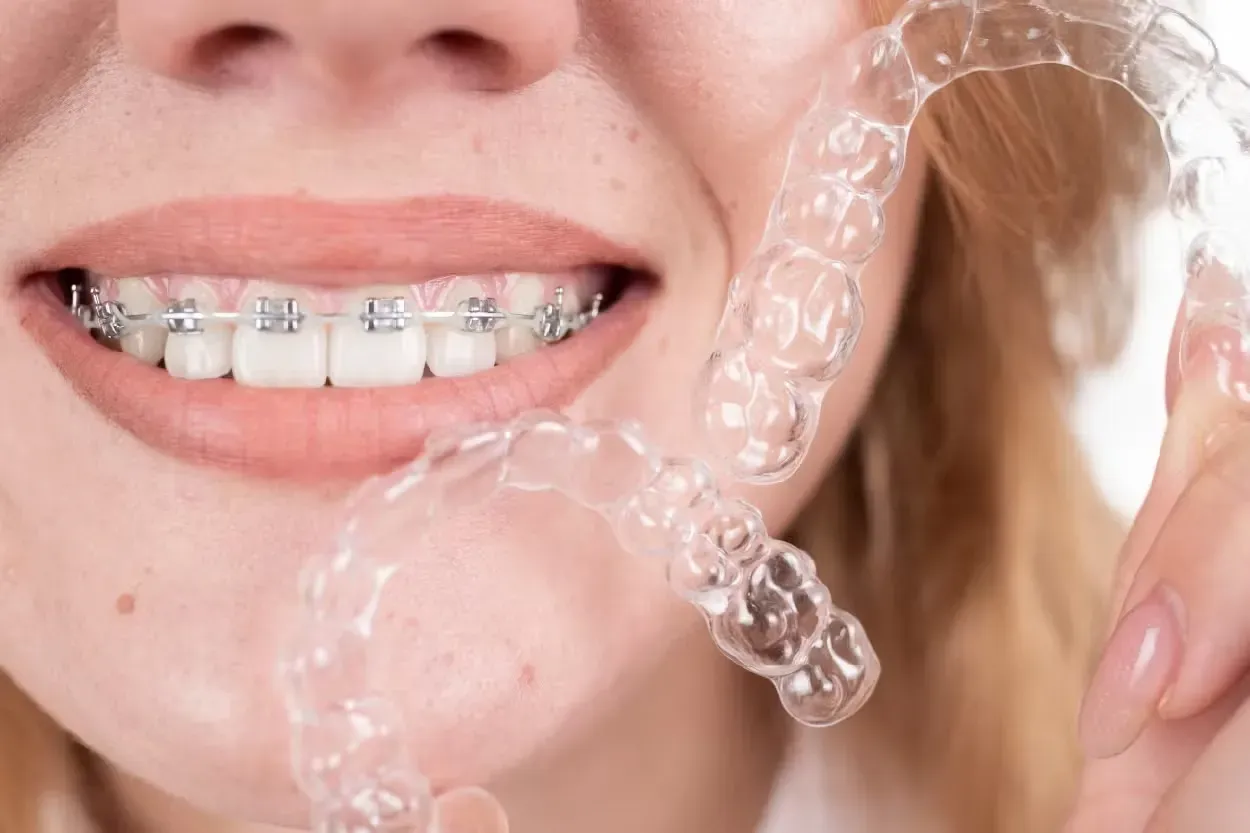
The Benefits of Invisalign Over Traditional Braces
Noble Dental Care
August 3, 2023
When patients compare orthodontic options, the choice often comes down to braces or clear aligners. Braces remain effective, but Invisalign Clear Aligners in Union City offer a discreet, removable, and comfortable alternative for many mild to moderate alignment concerns. Patients in Union City, Fremont, Newark, and Hayward often prefer Invisalign when they want treatment that fits work, school, meals, and social life with less visibility.
How Invisalign May Benefit You More Than Braces
Both options can improve alignment, but the daily experience is different. Invisalign uses a series of custom trays rather than brackets and wires, so patients often notice practical advantages in appearance, hygiene, comfort, and convenience.
A more natural appearance
Traditional braces are visible because brackets and wires sit on the front of the teeth. Food can also become caught around the brackets, which may affect confidence during meals or conversations.
Clear aligners are designed to blend with the smile.
They do not place metal across the front teeth.
Many patients feel more confident in photos, meetings, and social settings.
For patients who want a less noticeable orthodontic option, Invisalign is often easier to wear in public.
Easier daily cleaning
Brushing and flossing around braces can take extra time because wires and brackets create small spaces where plaque and food collect.
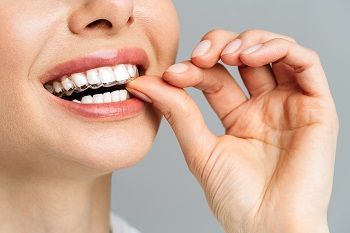
Invisalign trays are removable, so patients can brush and floss normally. Reviewing how to care for Invisalign aligners can help patients build a clean routine before treatment begins.
More freedom with food and drinks
Braces often require patients to avoid sticky, hard, or crunchy foods that may loosen brackets. Invisalign aligners are removed before meals, so eating is usually less restricted.
Patients should only drink plain water while trays are in. After meals or flavored drinks, brushing before reinserting aligners helps protect teeth and tray clarity.
Better comfort for many patients
Invisalign trays are made from smooth plastic and custom shaped to the teeth. There are no wires to poke the cheeks or brackets to irritate the lips.
Can address several alignment concerns
Crowded, crooked, or spaced teeth may make oral hygiene more difficult and increase the risk of gum irritation. Invisalign can help correct many mild to moderate alignment issues when a dentist confirms the case is suitable.
Clear aligners may help with:
Reducing areas where food traps easily
Improving bite balance in selected cases
Supporting easier cleaning between teeth
Improving smile symmetry and confidence
Patients considering Invisalign Clear Aligners in Union City should schedule an exam to confirm whether aligners can safely address their bite and alignment needs.
Modern digital scanning
Many Invisalign cases begin with digital scans instead of traditional impression material. This helps the dentist capture detailed tooth positions and create a treatment plan with greater comfort for the patient.
Digital planning also helps patients understand the intended movement before treatment begins.
Fewer adjustment-style visits
Traditional braces require regular wire tightening and may need bracket repairs. Invisalign visits are generally focused on checking progress, fit, and the next aligners.
Reviewing aligner fit
Checking tooth movement
Providing new trays
Making small treatment adjustments when needed
This can make appointments feel more efficient for busy patients.
Invisalign appointments can still vary depending on the case, but many patients appreciate that there are fewer wire-related adjustments.
Simple removal when necessary
Braces are fixed to the teeth until treatment is complete. Invisalign trays can be removed for meals, brushing, flossing, and certain activities, which gives patients more control over daily comfort.
The key is responsibility. Aligners must be worn as directed to keep treatment moving.
Improved oral hygiene access
Because the trays come out, patients can clean their teeth more thoroughly than they often can with braces. This may help reduce plaque buildup when daily habits are consistent.
Brush after meals before reinserting trays.
Floss every day to clean between teeth.
Rinse and clean aligners regularly to prevent buildup.
Added safety during daily activities
Braces include metal parts that may irritate the mouth during sports or accidents. Invisalign trays have a smooth surface and no protruding wires.
Patients should still follow dental guidance for sports mouthguards and aligner removal when appropriate.
More predictable treatment communication
Invisalign planning helps patients understand the expected sequence of tray changes and progress visits. While no treatment outcome can be guaranteed, digital planning supports clearer communication about the process.
Fewer orthodontic emergencies
Since there are no brackets or wires, Invisalign reduces the chance of broken bracket emergencies. Patients still need to call the office if trays crack, stop fitting, or are lost.
The American Dental Association explains that braces and removable aligners are orthodontic options used to correct alignment and bite concerns under professional supervision. ADA braces and orthodontic treatment information
For patients in Union City, Fremont, Newark, and Hayward, a consultation with a Dentist Union City can clarify whether Invisalign or braces are better for their bite, lifestyle, and smile goals.
Resource:
Share This:
Disclaimer
This media/content or any other on this website does not prescribe, recommend, or prevent any treatment or procedure. Therefore, we highly recommend that you get the advice of a qualified dentist or other medical practitioners regarding your specific dental condition.
Related Articles
Invisalign for Adults: Pros and Cons
Explore Invisalign pros and cons for adults, including comfort, hygiene, wear time, lifestyle fit, and when to see a Union City dentist.
Invisalign for Teenagers: Pros and Cons
Learn the pros and cons of teen Invisalign, daily wear rules, comfort, hygiene, and when parents should consult a Union City dentist.
Why should you get Invisible aligners for your teeth?
Why choose invisible aligners? Learn comfort, hygiene, lifestyle, and smile benefits of clear aligner treatment for Union City patients today with care tips.
How to care for your Invisalign aligners?
How should you care for Invisalign aligners? Learn cleaning, storage, hygiene, and daily tips for clear aligner treatment with a Union City dentist today.