
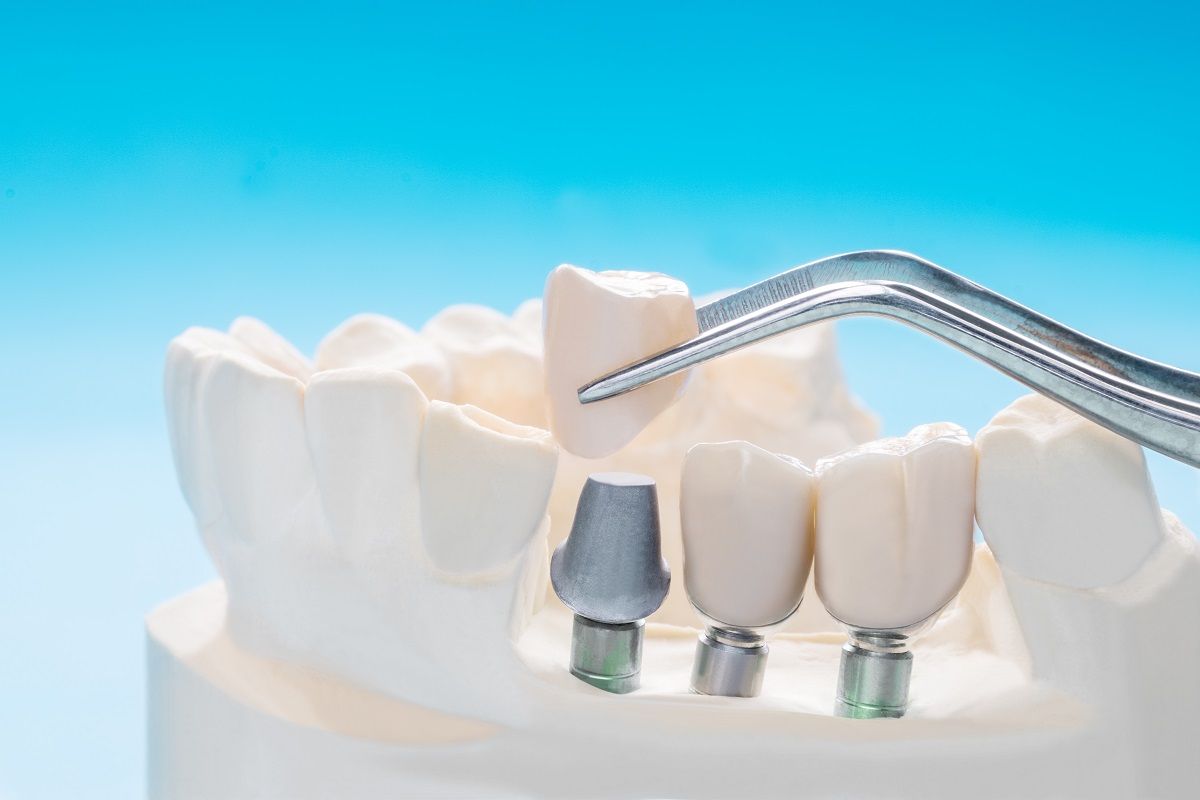
Top 6 Tips to make your crowns and bridges last longer.
Noble Dental Care
November 15, 2022
When you receive Dental Crowns & Bridges in Union City, good daily care is what helps them stay strong, comfortable, and natural-looking. Crowns protect weakened teeth, while bridges replace missing teeth, but both still need careful cleaning and smart habits. Patients from Fremont, Newark, and Hayward can protect their investment by treating these restorations like natural teeth.
Tips to make your Crowns and Bridges last longer
Following are the top 6 practical tips that can help you care for your Crowns and Bridges so they continue supporting your bite, smile, and oral health for years:
- Brush your teeth gently
Everyone knows brushing after waking up and before bedtime is important, but technique matters even more when you have a crown or bridge. Plaque can still collect around the gumline and under bridge edges, which may irritate gums or affect supporting teeth.
Use a soft-bristled toothbrush and light pressure instead of scrubbing hard. Aggressive brushing can irritate the gums near a crown margin or make a bridge feel tender over time. The goal is steady, complete cleaning, not force. Brush every morning and night, and consider gentle cleaning after meals when food collects around the restoration.
The point you should always remember is simple: brushing should be thorough, regular, and gentle enough to protect both your natural teeth and your dental work.
- Visit your dentist
Getting a crown or bridge does not mean dental visits are finished. A Dentist Union City patients trust can check the bite, polish the restoration, and spot early gum or decay concerns before they become larger problems. If you are comparing options for Dental Crowns & Bridges in Union City, ongoing maintenance should be part of the plan.
Professional visits are essential for your original teeth, crowns, and bridges. For more detail about planning restorative care, read this guide on assessment and consultation for crowns and bridges.
- Don't chew hard food items
Never chew hard food items if you have crowns or bridges in your mouth. Ice, hard candy, nutshells, and very sticky foods can place heavy pressure on porcelain, zirconia, cement, or the teeth that support a bridge.
Once your restoration is placed, begin noticing eating habits that create unnecessary stress. Choose foods you can chew comfortably, cut tougher items into smaller pieces, and avoid using restored teeth to crack or tear anything. These small changes may help you avoid an emergency visit.
- Mouthguard while playing
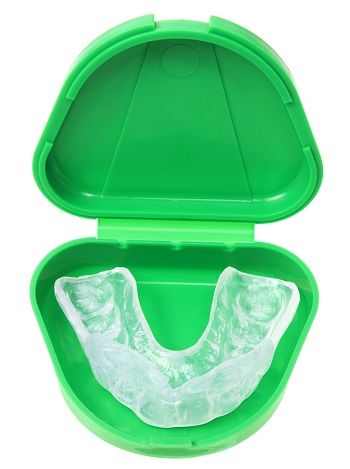
If you play sports, even casually, a mouthguard can be a smart layer of protection. Contact activities like football, soccer, rugby, basketball, or fast recreational games can cause sudden impact. A custom guard helps protect your crowns, bridges, gums, and natural teeth.
- Follow oral hygiene rules
Everyone needs consistent oral hygiene, but bridges often require extra attention. Brush twice daily, clean between teeth, and ask your dentist about floss threaders, interdental brushes, or water flossers for hard-to-reach spaces. The American Dental Association explains that dental crowns can strengthen and protect teeth, but home care still supports long-term success.
Strong oral hygiene helps your gums stay healthier and reduces plaque buildup around restoration margins. Patients traveling from Fremont, Newark, or nearby Hayward often benefit from learning the right tools during routine cleanings.
- Don't grind your teeth at night
You might have sleep bruxism if you clench or grind your teeth during the night. Grinding can wear down porcelain, loosen cement, or place pressure on supporting teeth. Modern restorative planning, including digital innovations in crown and bridge dentistry, can improve fit, but a nightguard may still be needed.
Talk with your dentist instead of ignoring nighttime grinding. A properly fitted appliance, bite adjustment, or other professional guidance can protect crowns and bridges from repeated stress and help them last longer.
Final Remarks
If you do not want to replace your crowns or bridges earlier than expected, the best approach is consistent prevention. Gentle brushing, regular dental visits, careful chewing, athletic mouth protection, daily flossing, and bruxism control all support longer-lasting results. With steady care, restorations can remain comfortable, attractive, and functional.
Contact Dr. Zafar Sayeedi at Noble Dental Care, your trusted Union City Dentist, to learn more about caring for crowns and bridges and protecting your restored smile.
Resource:dd
What are the benefits of dental crowns and bridges treatment?
Share This:
Disclaimer
This media/content or any other on this website does not prescribe, recommend, or prevent any treatment or procedure. Therefore, we highly recommend that you get the advice of a qualified dentist or other medical practitioners regarding your specific dental condition.
Related Articles
Maintaining Your Dental Bridges and Crowns
Daily habits, cleaning tips and check-ups that keep dental crowns and bridges strong, comfortable and looking good for years.
How Durable Are All-on-4 Implants?
How durable All-on-4 implants are, what affects how long they last, and the habits and check-ups that help your new teeth last for decades.
Occlusal guard vs. Night Guard, which is the better option?
Compare occlusal guards and night guards, how they protect teeth, and when restorative dental care may support better sleep and oral function.
Benefits of Dental Crowns and Bridges: Beyond Aesthetics
Learn how crowns and bridges restore chewing, protect weak teeth, replace missing teeth, and support better oral health with Noble Dental Care in Union City.