

Types of Retainers You Need to Know
Noble Dental Care
August 10, 2022
After braces or clear aligner treatment, retention becomes one of the most important steps for keeping teeth in their corrected position. Patients who complete Invisalign Clear Aligners in Union City often need retainers to help protect their new alignment. Without consistent retainer wear, teeth can slowly shift because bone and gum tissues continue adapting after treatment.
This guide explains the main retainer options so patients from Union City, Fremont, Newark, and Hayward can better understand what may fit their lifestyle. Your dentist will recommend a retainer based on your bite, tooth movement history, and how easy the appliance will be for you to maintain every day.
What are the different types of retainers to know about?
There are 3 main types of retainers you need to know about, and below are all the details.
- Clear Plastic Retainers
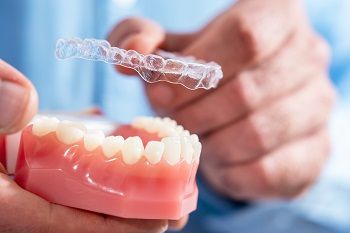
Clear plastic retainers are popular because they look discreet and fit closely over the teeth. They are sometimes called Essix-style retainers and resemble aligner trays. Patients who have completed Invisalign Clear Aligners in Union City may like this option because it feels familiar, lightweight, and easy to remove for meals and brushing. For related guidance, see why patients choose invisible aligners.
These retainers are removable, which makes cleaning simple, but they must be worn exactly as instructed. Heat, grinding, and poor storage can warp or crack the plastic. They may also need replacement more often than some other options. The American Association of Orthodontists provides helpful information about orthodontic retainers and post-treatment care.
Pros:
- Easy fitting and stay in place
- These are comfortable because of their thin plastic
- Easy to remove
Cons:
- Keeping them clean is hard
- They restrict you from touching your natural teeth
- These wear out faster than other retainers and mostly last up to a year of average usage
- Hawley Retainers
Hawley retainers use an acrylic plate and a metal wire that rests across the front teeth. They are more visible than clear retainers, but they can be adjusted by the dentist when minor refinements are needed. Many patients appreciate their durability and longer lifespan when they are stored safely and cleaned well.
Pros:
- These are relatively cheaper
- It can last for up to 20 years of average usage
- Easy to remove for eating and maintaining your oral hygiene
Cons:
- Visible metal wire
- You can accidentally damage these
- These can be welcome to germs in your mouth
Fixed retainers, also called permanent or bonded retainers, use a thin wire attached behind the teeth. They are often recommended for patients who need extra stability or who may forget removable retainers. This option is not visible from the front, but cleaning around the wire requires careful brushing and flossing. Patients can also review the history of invisible aligner technology to understand how orthodontic retention supports long-term results.
Pros:
- These are not visible as the wire is at the back of the teeth
- It is a fixed solution, so there will be no forgetting to wear these
- You cannot accidentally damage these, and they last indefinitely
Cons:
- Can welcome plaque and tartar buildup
- Maintaining good oral health is a hard job with these
- You may feel irritation on your tongue because of the wire
Conclusion
Choosing a retainer is not only about appearance; it is about protecting the time and effort invested in orthodontic care. A Dentist Union City patients trust can evaluate bite stability, hygiene habits, and daily routine before recommending a clear, Hawley, or fixed retainer. This is especially helpful for families from Fremont, Newark, and Hayward seeking long-term alignment support.
Contact Dr. Zafar Sayeedi and the Union City Dentist team at Noble Dental Care to know more about the types of retainers.
Share This:
Disclaimer
This media/content or any other on this website does not prescribe, recommend, or prevent any treatment or procedure. Therefore, we highly recommend that you get the advice of a qualified dentist or other medical practitioners regarding your specific dental condition.
Related Articles
Invisalign for Teenagers: Pros and Cons
Learn the pros and cons of teen Invisalign, daily wear rules, comfort, hygiene, and when parents should consult a Union City dentist.
The benefits of Invisalign over Traditional braces
Compare Invisalign and traditional braces, including comfort, appearance, food choices, cleaning, safety, and dental visits in Union City.
Invisalign for Adults: Pros and Cons
Explore Invisalign pros and cons for adults, including comfort, hygiene, wear time, lifestyle fit, and when to see a Union City dentist.
Process of getting Invisalign and what to expect during treatment
Learn each step of Invisalign treatment, from consultation and scans to aligner wear, checkups, refinements, and retainers in Union City.