
What are the different types of veneers? How to select the right one?
Noble Dental Care
February 15, 2023
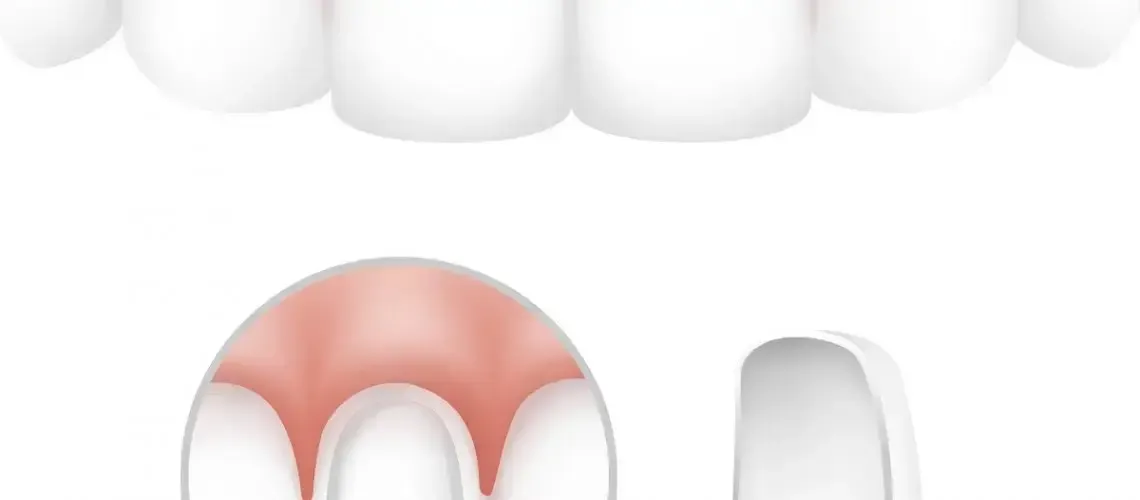
If you are comparing cosmetic smile options, Porcelain Veneers in Union City can help improve teeth that look chipped, stained, uneven, small, or slightly misshapen. Dental veneers are thin, tooth-colored shells made to fit over the visible front surface of natural teeth. Their main purpose is to enhance shape, shade, symmetry, and overall smile balance while keeping the treatment focused on appearance rather than replacing missing teeth.
Veneers are often part of a personalized smile makeover in cosmetic dentistry. Patients from Union City, Fremont, Newark, and Hayward may consider them when whitening, bonding, or minor reshaping alone cannot create the desired result. Always remember that veneers change how teeth look; they do not replace missing teeth or treat untreated decay, gum disease, or bite concerns that need separate care first.
“A confident smile can affect how comfortably people speak, laugh, and connect with others. Teeth veneers may improve color, shape, and symmetry when chosen carefully with professional guidance.”
A quick guide to different veneer types and choosing wisely.
Veneers have become popular because they can address several visible concerns in a relatively focused way. They may correct cosmetic and minor structural issues such as discoloration, small gaps, worn edges, chips, or uneven tooth shape. For patients researching cosmetic dentistry, veneers remain one of the most recognized smile enhancement options.
Are you thinking about veneer treatment? Then it is helpful to understand the major veneer materials, how they differ, and why your dentist’s recommendation matters.
Types of veneers you need to know.
Here are some important veneer types that patients often discuss during cosmetic dental consultations.
So, here we go:
Porcelain veneers
Porcelain veneers are among the most natural-looking and durable veneer choices. This dental material reflects light in a way that can closely resemble real enamel, which makes it a strong option for smile improvements. Porcelain is also highly biocompatible, so it is generally well tolerated by nearby gum tissues. For patients who want long-lasting aesthetics, porcelain can improve tooth color, surface texture, shape, and smile harmony with beautiful detail.
Pros of Porcelain veneers
- Porcelain veneers can match the surrounding teeth very naturally.
- This veneer type is known for resisting common stains.
- You can enjoy a smooth, balanced, and polished surface.
- They may last many years with proper hygiene and maintenance.
Cons of Porcelain veneers
- They may not be ideal for patients who heavily grind their teeth.
- The process usually needs more planning and preparation than bonding.
Lumineers
Lumineers are an ultra-thin style of porcelain veneer designed to need less tooth preparation in many cases. Compared with traditional porcelain veneers, they may require less removal of natural tooth structure before placement. This can make them attractive for patients who want a more conservative cosmetic option, depending on tooth position, enamel thickness, and smile goals.
They are often used for mild discoloration, small irregularities, and teeth that need a smoother visible surface. Lumineers can feel comfortable and look natural when the case is selected carefully.
Pros of Lumineers
- Lumineers may be reversible in selected situations.
- This veneer type may require less tooth preparation before placement.
- They can be a conservative cosmetic option for some smiles.
Cons of Lumineers
- Lumineers may not last as long as traditional porcelain veneers.
- They can be more prone to fracture in unsuitable bite conditions.
Ceramic Veneers
Ceramic veneers are also widely used in cosmetic dentistry because they can create a lifelike smile appearance. Many ceramic systems are designed to mimic natural enamel color, translucency, and contour. These veneers may be recommended when a patient wants a carefully customized smile with strong aesthetic control.
Pros of Ceramic Veneers
- Ceramic veneers can provide a highly natural-looking result.
- They can imitate the shine and depth of natural teeth.
- Ceramic materials are often durable when properly maintained.
Cons of Ceramic Veneers
- Ceramic veneers may require more time for design and fabrication.
- Some patients may notice temporary sensitivity after placement.
Composite veneers
Composite veneers are created from tooth-colored resin, a material similar to what dentists use for cosmetic bonding and fillings. The resin includes a blend of organic and inorganic components that help shape, harden, and bond the material to the tooth. Composite veneers can be sculpted directly onto teeth, which may make treatment faster in some cases.
Composite veneers usually cost less than porcelain veneers and may involve less enamel alteration. However, composite resin typically does not have the same stain resistance, depth, or longevity as porcelain. Patients comparing dental bonding and veneers can learn more from this related guide on dental bonding vs. veneers.
Pros of Composite veneers
- Composite veneers may require a less invasive procedure.
- They are often easier to repair if minor chipping occurs.
- Temporary restorations are usually not needed, so treatment may be completed quickly.
Cons of Composite veneers
- Although composite veneers can look natural, they stain more easily.
- They generally do not last as long as porcelain veneers.
Temporary or removable veneers
Snap-on veneers are also called removable or temporary veneers. They may include instant or custom clip-on styles designed to cover natural teeth for short-term cosmetic appearance. These options are usually less expensive than dentist-made veneers, but they do not provide the same fit, strength, or professional customization.
Pros of Temporary or removable veneers
- They may require little to no preparation before use.
- Removable veneers are usually a lower-cost cosmetic option.
Cons of Temporary or removable veneers
- They can increase plaque buildup if not cleaned properly.
- Long-term use may irritate gums or affect comfort.
How to choose the suitable types of veneers for you?
Choosing the right veneer type is not always simple. Different materials, thicknesses, preparation styles, and smile goals can make the decision feel overwhelming, especially when you are unsure which solution fits your teeth. A dentist can evaluate tooth health, bite pressure, enamel condition, and cosmetic expectations before recommending a suitable option.
For patients researching Porcelain Veneers in Union City, the best choice should balance aesthetics, durability, comfort, and oral health. The American Dental Association’s guide to veneers also explains why licensed dental evaluation is important before selecting treatment.
So, here we go:
Understand the basic shapes of veneers.
Choosing the right veneer shape is essential for a smile that looks balanced instead of artificial. Because every face, lip line, and tooth pattern is different, veneer design involves many possible combinations. Smile libraries often describe common tooth shapes that help dentists plan the look. These include:
- Aggressive: Often chosen for masculine smiles, with square, uniform teeth for a bold look.
- Vigorous: Square teeth with defined, sharper canine shape.
- Mature: Square teeth softened by rounded canine edges.
- Dominant: Square teeth with prominent rounded canines.
- Enhanced: Slightly rounded teeth for a polished smile.
- Hollywood: Square tooth shape with shorter lateral incisors.
- Softened: Rounded teeth with gentle, subtle curvature.
- Focused: Slightly rounded teeth with square central incisors.
- Natural: Rounded teeth with more pointed canine detail.
- Oval: Rounded incisors and canines for a softer look.
- Functional: Rounded teeth with more defined pointed canines.
- Youthful: Rounded teeth with longer canine appearance.
Color of your teeth.
Tooth color is another important factor when choosing veneers. Dentists use shade guides to compare natural tooth tones and select a veneer color that fits your face, skin tone, and smile goals. Shade systems often organize color into groups such as:
- Reddish yellow
- Gray
- Reddish Gray
- Reddish brown
Each color family includes several shade levels to create a more accurate match.
In most cases, choosing a shade only slightly lighter than your natural teeth creates the most believable result.
Determine your face shape.
Face shape is another important part of veneer planning. Most faces fall into broad categories such as oval, round, square, or heart-shaped, and each can look better with different tooth proportions. Veneers should support your facial balance, not create a smile that feels too wide, too bulky, or too bright for your features.
That is why careful design matters. Patients from Newark, Hayward, and nearby Fremont often choose a consultation first so the dentist can study their smile line, gum display, tooth size, and facial proportions before recommending final veneer shape.
Choose the best veneer material.
Material selection is one of the biggest decisions in veneer treatment. Porcelain, ceramic, composite, Lumineers, and removable veneers each offer different benefits. Some focus on durability and stain resistance, while others focus on conservative preparation, affordability, or faster completion. Your ideal choice depends on your enamel, bite, expectations, and how long you want the result to last.
Although porcelain veneers are often preferred for their natural appearance and longevity, they are not the only option. You can also compare whitening, bonding, and other cosmetic choices when planning your smile. This related guide on professional teeth whitening expectations may help if tooth color is your main concern.
Consider your budget.
Understanding your budget can help narrow your veneer options. Some materials require more lab work, appointments, and customization than others, so cost can vary depending on the case, number of teeth, and smile goals. Your dentist can explain the benefits and limitations of each option clearly.
Consult with your dentist for help.
Still unsure which veneers are right for your smile? Simply book your appointment and discuss your goals with a cosmetic dentist. A Union City Dentist can review your tooth shade, gum health, and bite before recommending veneer material. Share your concerns about color, tooth shape, gaps, chips, budget, and long-term expectations so your treatment plan feels realistic and personalized.
A careful consultation can help you make a confident decision instead of guessing from online comparisons alone.
Contact your Union City Dentist, Dr. Zafar Sayeedi, at Noble Dental Care to learn more about veneer types and which option may fit your smile best.
Resource:
Share This:
Disclaimer
This media/content or any other on this website does not prescribe, recommend, or prevent any treatment or procedure. Therefore, we highly recommend that you get the advice of a qualified dentist or other medical practitioners regarding your specific dental condition.
Related Articles
Dental bonding vs. veneers, which one to get?
Compare dental bonding and veneers, learn when each cosmetic option fits, and see how a Union City dentist can guide safe, natural smile improvements.
Types of Dental Crowns: Exploring Your Options
Learn the differences between dental crown types, materials, benefits, and restoration options for a healthier, natural-looking smile.
What Is a Full Smile Makeover? A Complete Patient Guide
Learn what a full smile makeover includes, which dental concerns it can address, and how personalized cosmetic dentistry can transform your smile in Union City.
A guide on the best materials for Full & Partial Dentures
Compare full and partial denture materials, comfort, fit, durability, and care needs to choose the right tooth replacement option in Union City today.