
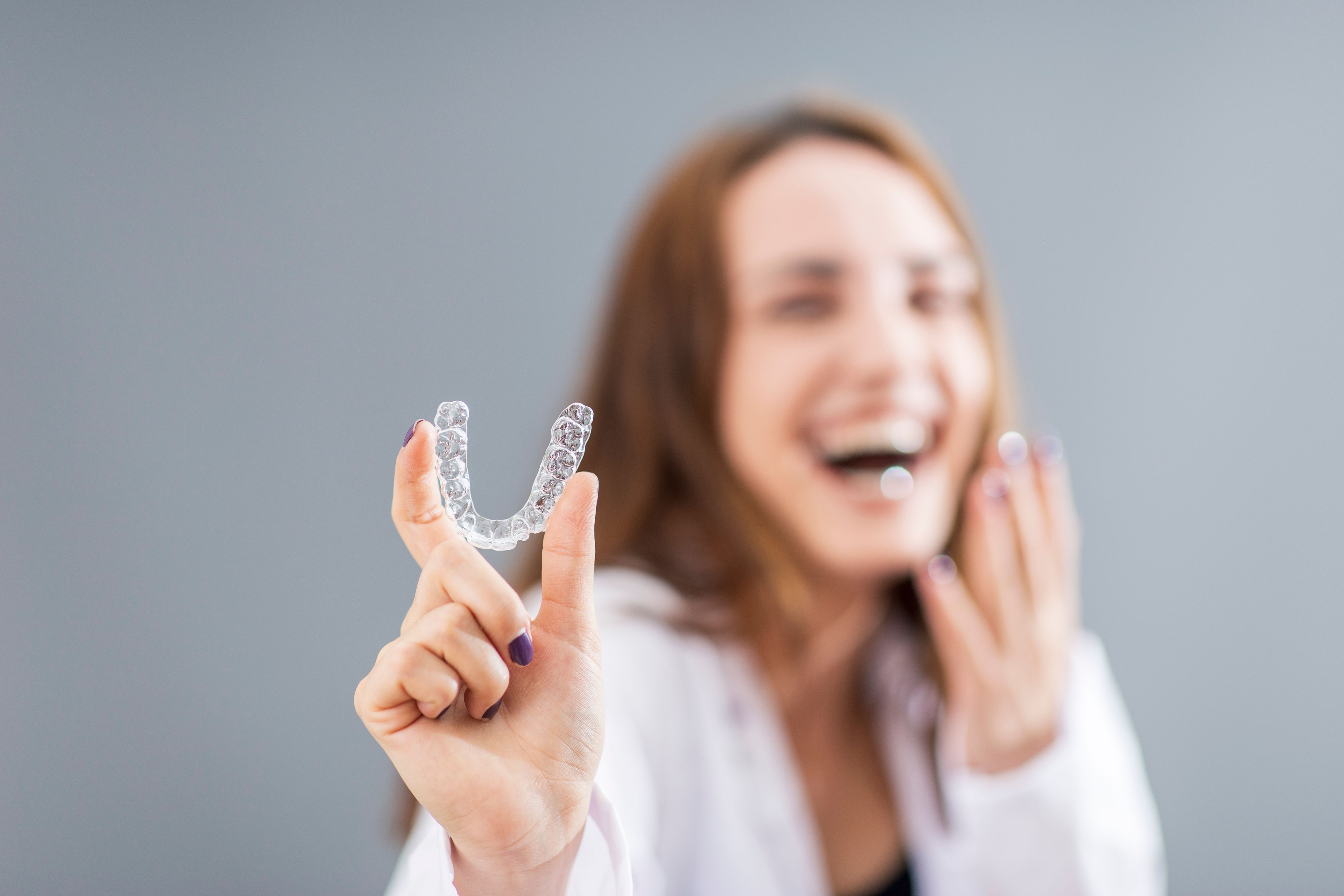
What Is Invisalign and How Does It Work?
Noble Dental Care
July 19, 2023
You may have heard about clear aligners as an alternative to braces, but you may still wonder what they actually do. Invisalign Clear Aligners in Union City are custom trays designed to move teeth gradually through a planned series of small, controlled shifts. They are popular because they are removable, smooth, and nearly invisible.
Patients from Union City, Fremont, Newark, and Hayward often ask whether Invisalign can improve crowding, spacing, or mild bite problems without the look of metal brackets. The answer depends on your dental health, bite, and commitment to wearing the trays as directed.
What Is Invisalign?
A Dentist Union City patients trust can review these concerns before recommending clear aligners or another treatment.
Invisalign is a clear aligner system that uses a sequence of thin, custom-made trays. Each tray fits over your teeth and applies gentle pressure to guide selected teeth into better positions over time.
The aligners are made from a flexible thermoplastic material. Because the trays are transparent, many people can speak, work, study, and socialize with more confidence during orthodontic treatment.
Unlike fixed braces, Invisalign trays can be removed for eating, brushing, and flossing. That convenience can make oral hygiene easier when patients follow instructions carefully and wear aligners for the recommended number of hours each day.
Are Invisalign Aligners Safe?
Invisalign aligners are commonly used under professional supervision for mild to moderate alignment needs. A dentist evaluates your teeth, gums, bite, and overall oral health before deciding whether aligners are appropriate for your case.
The American Dental Association explains that removable aligners are one orthodontic option when provided under the direct supervision of a dentist or orthodontist. Review the ADA’s orthodontic information for broader context about bite correction and tooth movement.
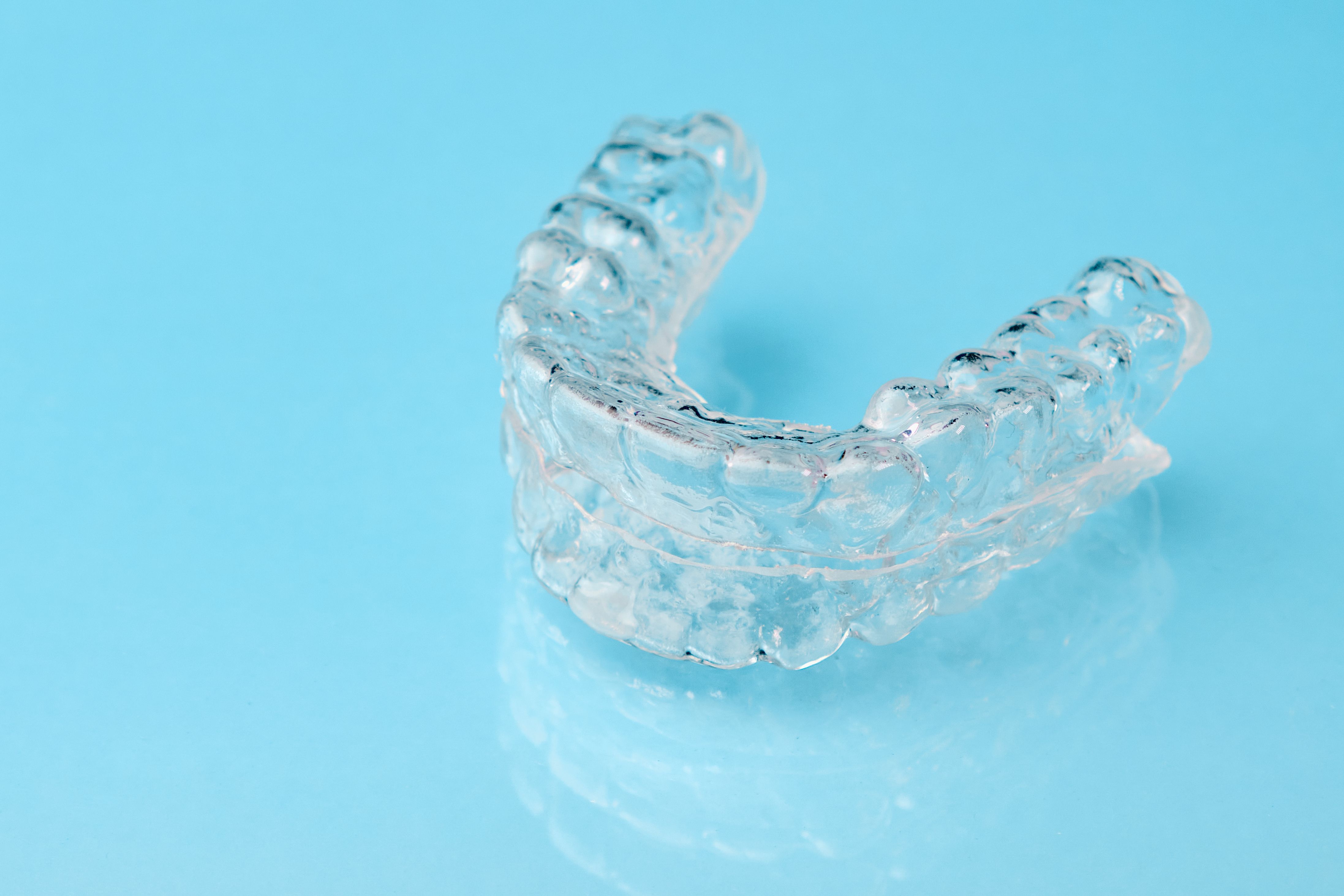
Invisalign trays are designed for comfort, but they still require responsible use. Wearing them consistently, cleaning them properly, and attending checkups are important parts of safe and effective treatment.
A dentist-guided plan also helps identify gum issues, cavities, or bite concerns that should be handled before or during aligner therapy.
Invisalign During Pregnancy
Some patients ask whether aligners can be worn during pregnancy. Many people continue aligner treatment while pregnant, but gum sensitivity, swelling, or nausea can affect comfort. Your dental team should know about pregnancy so care can be adjusted if needed.
Good hygiene is especially important because hormonal changes may make gums more reactive. Clean trays, regular brushing, and professional guidance can help maintain oral health throughout treatment.
The best approach is individualized. Your dentist can explain whether treatment timing, scanning, or appointments should be modified based on your needs.
What Dental Problems Can Invisalign Fix?
Invisalign can help with many of the same mild to moderate concerns that braces address. It may be recommended for crowding, spacing, and certain bite alignment issues when the teeth and gums are healthy enough for movement.
However, Invisalign is not the right solution for every orthodontic problem. Severe bite concerns, complex jaw issues, or advanced tooth movement may require another treatment approach or a combined plan.
Common concerns that may be reviewed during an Invisalign consultation include:
Crowded teeth: Teeth overlap or twist because there is not enough space in the arch.
Gaps between teeth: Spaces appear between teeth and may affect appearance or food trapping.
Crossbite: Upper teeth bite inside lower teeth in certain areas.
Overbite: Upper teeth overlap lower teeth more than ideal.
Underbite: Lower teeth sit ahead of upper teeth.
Open bite: Upper and lower teeth do not meet properly when biting down.
A dentist must confirm whether aligners can move your teeth predictably and safely.
For patients still comparing options, this related article explains why people choose invisible aligners instead of traditional braces.
How Does Invisalign Work?
The process begins with a consultation and digital evaluation. Your dentist reviews your smile goals, checks your bite, and determines whether Invisalign Clear Aligners in Union City can address your concerns.
If you are a candidate, digital scans help create a 3D model of your mouth. A treatment plan then maps the movements needed to shift teeth into improved positions. Each aligner is worn in sequence and changed according to your dentist’s instructions.
The trays apply light pressure to selected teeth. Some discomfort is normal when starting a new set because that pressure signals tooth movement. The feeling usually becomes easier as your mouth adjusts.
Most patients need to wear aligners for 20 to 22 hours per day. Removing them too often can slow progress, affect fit, or extend treatment time.
Treatment time depends on the severity of crowding, spacing, or bite concerns.
Mild cases may move faster than complex cases.
Refinement trays may be recommended to improve final results.
Consistent wear is one of the biggest factors in success.
A retainer is usually needed after treatment to protect the new alignment.
To understand the appointment sequence in more detail, read this guide on the process of getting Invisalign.
Traditional Braces vs. Attachments
Some Invisalign cases use small tooth-colored attachments called SmartForce attachments. These help the trays grip certain teeth and guide movements that may not happen as predictably with trays alone.
Attachments are more subtle than metal brackets, but they still play an important role in treatment planning. Your dentist will explain whether they are needed and how to clean around them.
When active treatment is complete, a follow-up visit helps confirm the final bite and smile alignment. Retainers are usually recommended to help prevent teeth from shifting back.
Is Invisalign Right for You?
Invisalign may be right for you if you want a discreet option and can commit to wearing the trays as directed. Before choosing treatment, ask yourself a few practical questions:
Do you have crowding, spacing, or mild bite concerns?
Do you want an option that is less noticeable than braces?
Can you remove trays before meals and clean your teeth afterward?
Can you wear aligners most of the day?
Are you willing to attend progress appointments?
A consultation is the best way to know. Your dentist can examine your smile and explain realistic treatment expectations.
Invisalign as a Discreet Option
Many adults and teens prefer Invisalign because the trays are transparent and removable. This makes the treatment easier to manage during meals, photos, presentations, and daily routines.
Union City Dentist Noble Dental Care helps patients decide whether clear aligners are suitable for their teeth, bite, and lifestyle.
Resource:
Share This:
Disclaimer
This media/content or any other on this website does not prescribe, recommend, or prevent any treatment or procedure. Therefore, we highly recommend that you get the advice of a qualified dentist or other medical practitioners regarding your specific dental condition.
Related Articles
Why should you get Invisible aligners for your teeth?
Why choose invisible aligners? Learn comfort, hygiene, lifestyle, and smile benefits of clear aligner treatment for Union City patients today with care tips.
Invisalign for Adults: Pros and Cons
Explore Invisalign pros and cons for adults, including comfort, hygiene, wear time, lifestyle fit, and when to see a Union City dentist.
The benefits of Invisalign over Traditional braces
Compare Invisalign and traditional braces, including comfort, appearance, food choices, cleaning, safety, and dental visits in Union City.
History of Invisible aligners: Learn more about Invisalign Technology.
How did invisible aligners develop? Learn the history, technology, and patient benefits behind Invisalign clear aligners from a Union City dentist today.