
Root Canal vs. Tooth Extraction: What’s the Best Option
Dr. Syed Sayeedi
November 5, 2025
Severe tooth pain or a spreading dental infection can make treatment decisions feel overwhelming. Many patients comparing a Root Canal in Union City with extraction often ask whether saving the tooth is truly worth it. Both procedures are designed to eliminate discomfort, stop infection, and protect oral health, yet the long-term results can differ significantly. Patients visiting a Union City Dentist frequently learn that preserving a natural tooth whenever possible usually supports stronger oral function and better long-term stability.
What Is a Root Canal
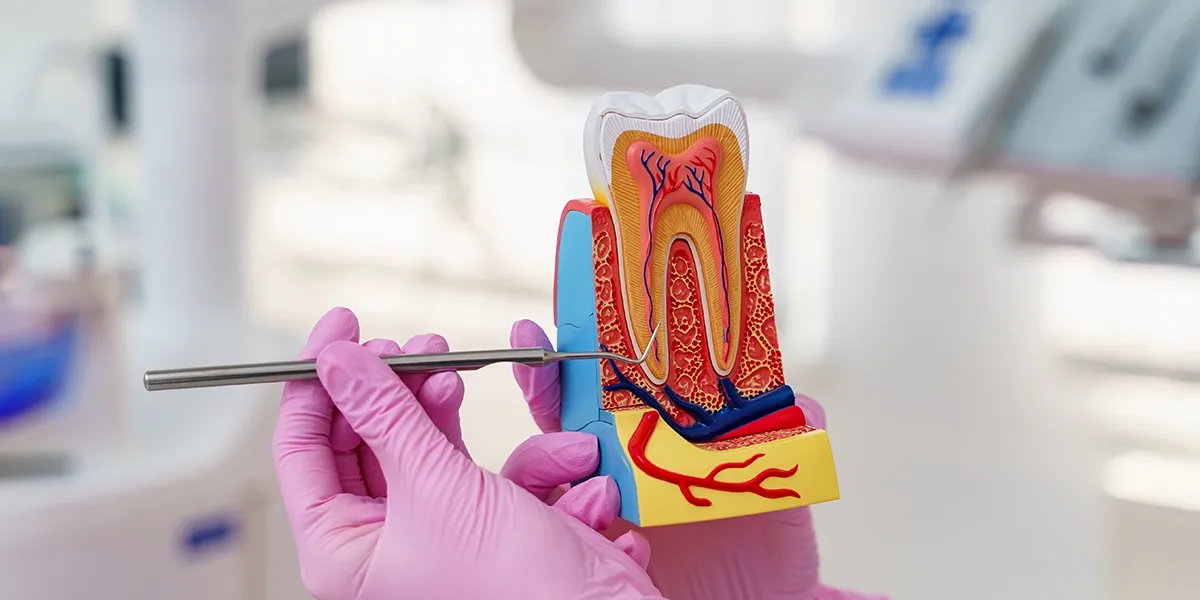
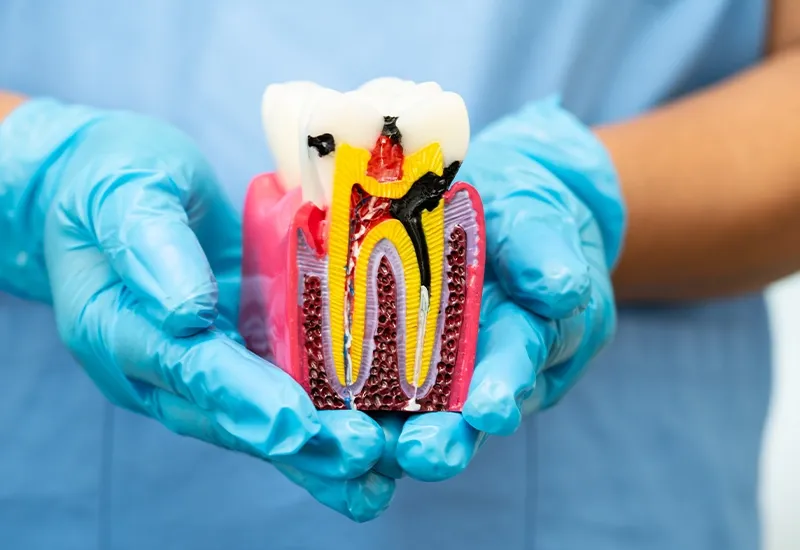
A root canal is a restorative dental procedure used to save a tooth affected by deep decay, trauma, or infection inside the pulp. During treatment, the damaged pulp tissue and bacteria are carefully removed from the inner canals of the tooth. The area is then cleaned, disinfected, and sealed to prevent future infection. In most situations, a custom dental crown is placed afterward to strengthen the tooth and restore normal appearance and function. Patients from Fremont, Newark, and Hayward often choose root canal therapy because it allows them to keep their natural smile while improving comfort, chewing ability, and long-term dental health.
What Is a Tooth Extraction
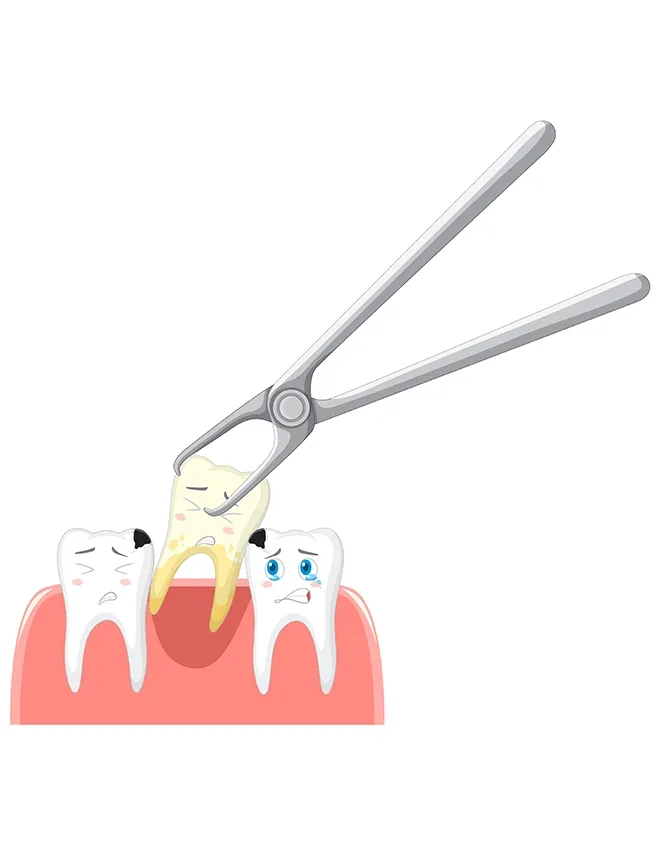
A tooth extraction is a procedure where a tooth is completely removed from its socket when it can no longer be predictably restored. Dentists may recommend extraction for advanced decay, severe fractures beneath the gumline, major infections, or serious periodontal disease that weakens supporting bone. In some cases, impacted teeth or overcrowding also require removal. While extraction effectively eliminates the immediate source of pain and infection, it creates an empty space that may affect surrounding teeth and jawbone health. Replacement options such as implants, bridges, or dentures are often recommended to maintain proper bite alignment and oral function.
Root Canal vs. Extraction
1. Preserving Natural Teeth
One of the biggest advantages of root canal therapy is preserving the natural tooth structure. Keeping a natural tooth helps maintain jawbone density, proper bite balance, and comfortable chewing strength. Extraction permanently removes the tooth, which can eventually contribute to shifting teeth and changes in appearance if the missing space is not restored.
2. Recovery and Comfort
Patients commonly ask if root canals are painful. Modern dental technology and local anesthesia make treatment much more comfortable than many people expect, often similar to receiving a large filling. Mild soreness afterward is temporary for most patients. Tooth extraction is also completed with anesthesia, although healing may require more downtime while the bone and gum tissue recover.
3. Cost of Extraction vs Root Canal
Many patients focus first on treatment costs when comparing extraction and root canal therapy. Extractions may appear less expensive initially, but replacement procedures like implants or bridges can increase total costs over time. Saving the natural tooth often reduces the need for future restorative care and may provide better long-term value for oral health.
4. Long-Term Oral Health
Protecting the natural tooth with a root canal can help maintain bite stability and reduce the risk of neighboring teeth drifting out of alignment. Extraction without replacement may lead to changes in speech, uneven chewing pressure, and gradual jawbone deterioration. According to the American Association of Endodontists, preserving natural teeth whenever possible offers important long-term benefits for oral function and overall dental wellness.
Pros and Cons of Root Canal
Root canal treatment offers several important benefits, including preserving the natural tooth, supporting comfortable chewing, and helping maintain proper alignment throughout the mouth. When combined with a quality dental crown and good oral hygiene habits, treated teeth can remain functional for many years. However, root canal treatment may involve a higher initial investment compared to extraction and sometimes requires additional restoration for strength. In cases where the tooth is severely damaged or structurally weak, successful treatment may not always be possible.
Pros and Cons of Tooth Extraction
Tooth extraction can be the safest option when infection or damage is too advanced to repair successfully. The procedure removes the infected tooth quickly and can provide immediate relief from severe discomfort. Despite these benefits, losing a natural tooth may contribute to bite problems, movement of surrounding teeth, and bone loss over time. Many patients eventually need a replacement solution such as a dental implant, bridge, or denture to restore appearance and function after extraction.
Who Needs a Root Canal
A root canal may be recommended for patients with deep cavities, cracked teeth, or infections affecting the dental pulp while the outer tooth structure remains restorable. Symptoms often include lingering sensitivity, swelling, pressure, or severe tooth pain. Patients considering Wisdom Tooth Extraction sometimes also require evaluation for damaged neighboring teeth that may benefit from root canal therapy instead of removal. Individuals from Newark, Fremont, and Hayward frequently seek treatment early to avoid complications and preserve their natural teeth whenever possible.
Need Any Help?
Contact UsWho Needs a Tooth Extraction
Extraction may be recommended in situations where preserving the tooth is no longer predictable or safe for overall oral health.
- A tooth has severe decay that extends too deeply to restore.
- Advanced gum disease has weakened the surrounding bone structure.
- Impacted teeth or overcrowding are affecting alignment and comfort.
- Major fractures below the gumline prevent effective restoration.
In these cases, removing the tooth can prevent infection from worsening, although replacement treatment is often recommended to maintain proper bite function and appearance.
FAQs
Q1: Should I get a root canal or pull the tooth
If the tooth can still be restored successfully, dentists usually recommend a root canal because it preserves the natural tooth and supports long-term oral health.
Q2: Is it cheaper to pull a tooth than save it
Extraction generally costs less upfront, but replacement treatments like implants or bridges can increase overall expenses later.
Q3: What happens if I don’t treat my infected tooth
Untreated infections may spread, damage surrounding tissue, and eventually create more serious oral and overall health concerns.
Q4: What’s better, root canal or extraction
Whenever possible, saving the natural tooth through root canal therapy is considered the better long-term solution for function and alignment.
Conclusion
Choosing between a root canal and extraction depends on the condition of the tooth, the severity of infection, and your long-term oral health goals. Root canals are designed to preserve natural teeth and maintain bite balance, while extractions may be necessary when a tooth cannot be restored safely. Understanding the benefits and limitations of each procedure helps patients make informed treatment decisions with confidence.
If you are experiencing dental pain or infection symptoms, speaking with a trusted Dentist Union City can help you determine the right treatment plan for your needs. Whether you require a Root Canal in Union City, guidance about Wisdom Tooth Extraction, or preventive dental care, timely treatment can protect your smile and improve lasting oral health.
Resource:
Share This:
Disclaimer
This media/content or any other on this website does not prescribe, recommend, or prevent any treatment or procedure. Therefore, we highly recommend that you get the advice of a qualified dentist or other medical practitioners regarding your specific dental condition.
Related Articles
What Is a Root Canal? Understanding the Basics
Learn about Union City Root Canal procedures, benefits, and recovery. Expert Root Canal Therapy Union City from a leading Union City Dentist.
Step-by-Step Guide to the Root Canal Procedure
Explore each stage of a Union City Root Canal procedure, recovery tips, and what patients from Fremont, Newark, and Hayward should expect.
How Painful Is a Root Canal Really? Myths vs Reality
Discover the truth about root canals, recovery, and comfort with expert tips on Root Canal Union City treatment and modern care.
Why getting Root Canal treatment is a good option?
Discover the advantages of root canal treatment at Noble Dental Care. Uncover why it's a wise and effective option for preserving your oral health and smile.