
Benefits of Dental Crowns and Bridges: Beyond Aesthetics
Noble Dental Care
September 24, 2024
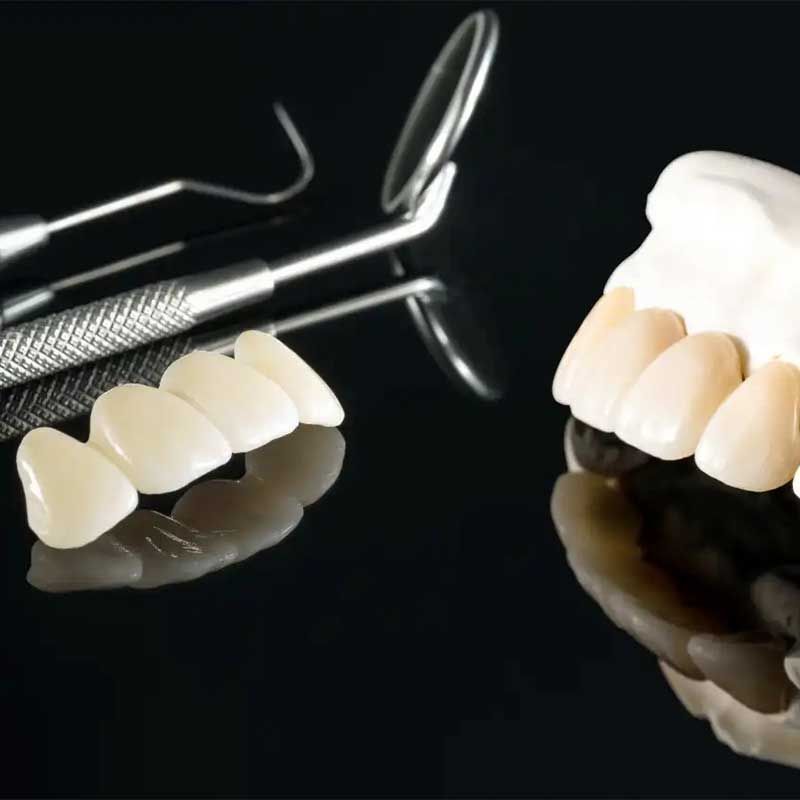
When most people think about restorative dentistry, they often picture a better-looking smile first. Yet Dental Crowns & Bridges in Union City do much more than improve appearance. They can rebuild biting strength, protect weakened teeth, replace missing teeth, and support better everyday comfort for patients in Union City, Fremont, Newark, and Hayward.
In this blog, we will look beyond cosmetic improvement and explain how crowns and bridges help restore function, protect oral health, and make daily eating and speaking easier.
Dental Crowns and Bridge Benefits for Oral Health
Here are the most important dental bridge and dental crown benefits patients should understand before choosing restorative treatment.
1. Improved Chewing and Speech
Dental crowns and bridges are designed to bring back the proper function of teeth that are broken, worn down, or missing. When a tooth is damaged or a gap is left untreated, chewing can become uncomfortable and uneven, which may affect nutrition and digestion over time.
Dental crowns and bridges help restore strong, stable chewing by rebuilding missing or weakened tooth structure.
They allow you to enjoy more food choices while supporting a healthier, balanced diet.
Missing teeth can also change how air moves through the mouth, making certain words harder to pronounce. Restorative treatment helps support clearer speech, so patients can talk, smile, and interact with more confidence.
2. Plaque and Bacteria Control
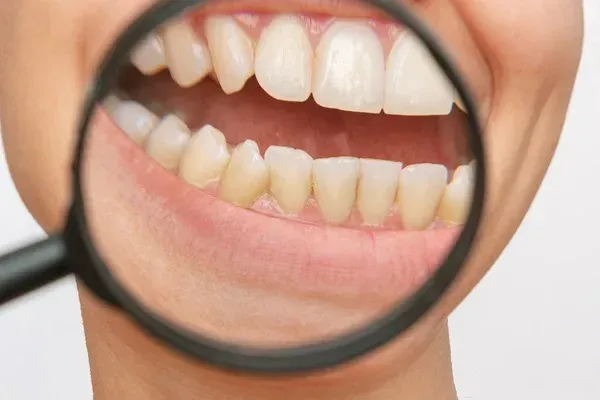
Gaps from missing teeth can trap food particles and create narrow spaces that are difficult to clean with regular brushing and flossing. Over time, these areas may collect plaque and harmful bacteria, increasing the risk of decay, gum irritation, and persistent bad breath.
Crowns and bridges help close or protect vulnerable spaces, making oral hygiene easier to manage. For patients comparing treatment options, a professional crown and bridge consultation can explain how restoration design supports cleaner, healthier teeth.
3. Gum Health Maintenance
A missing tooth does not only affect the visible smile. It can also leave nearby gum tissue exposed to irritation and make the surrounding area harder to keep clean. This may contribute to inflammation, tenderness, or gum recession if the space is ignored.
Dental bridges help cover empty spaces, while crowns protect weakened teeth near the gumline. By supporting tooth structure and reducing open areas where debris can collect, these restorations contribute to better gum stability and overall oral wellness.
4. Prevention of Tooth Decay
A crown can help protect a tooth that has been weakened by decay, fracture, or a large filling. It covers the visible portion of the tooth, reducing direct exposure to bacteria, acids, and biting pressure that may otherwise cause more damage.
Bridges also help by filling spaces where adjacent teeth might drift out of position. The American Dental Association notes that crowns can strengthen teeth, attach bridges, and protect weak or broken teeth, which makes them valuable for long-term dental preservation. Learn more from MouthHealthy by the ADA.
5. Enhanced Tooth Alignment
When a tooth is missing, nearby teeth can gradually shift toward the empty space. This movement may change the bite, create uneven pressure, and make cleaning between teeth more difficult. Even one missing tooth can affect the balance of the entire mouth.
Dental bridges help preserve spacing by replacing the missing tooth, while crowns restore damaged teeth to a better shape and size. Together, they support a more even bite and help prevent future alignment-related complications.
6. Replace Missing Teeth
Missing teeth can affect your confidence, chewing comfort, facial support, and long-term oral health. For many patients searching for Dental Crowns & Bridges in Union City, treatment is about restoring normal daily function as much as improving smile appearance.
A dental crown is placed over a prepared tooth to restore its strength and shape. A dental bridge replaces one or more missing teeth by anchoring artificial teeth to nearby natural teeth or, in some cases, dental implants.
These restorations fill smile gaps, help maintain facial shape, limit unwanted tooth movement, and make speaking and chewing feel more natural again for patients across Union City and nearby communities.
7. Long-term Durability
Dental crowns and bridges are known for dependable strength when they are properly planned, placed, and maintained. Materials such as porcelain, zirconia, and metal-supported restorations are designed to handle the daily pressure of chewing, speaking, and biting.
With good oral hygiene, routine dental visits, and timely care for bite changes, crowns and bridges can support a stable, functional smile for many years.
8. Comfort is a Core Advantage of Dental Bridges
For patients with missing teeth, a dental bridge can offer a fixed and comfortable solution that feels more secure than removable options.
Dental bridges stay in place and do not need to be removed for daily meals.
They help reduce the slipping or shifting sometimes linked with removable prosthetics.
They make it easier to chew, speak, and smile without worrying about movement.
A bridge also helps stabilize neighboring teeth, reducing the chance that they will drift and create bite problems over time.
9. Strengthening Weak Teeth
Dental crowns are often recommended when a tooth has become too weak to function safely on its own. Large fillings, cracks, decay, or heavy wear can leave a tooth vulnerable to further breakage during normal biting and chewing.
By covering the tooth, a crown provides an added layer of protection and helps distribute bite forces more evenly. This support may reduce discomfort, lower the risk of fracture, and help preserve the natural tooth for longer.
10. Protecting Root Canals
After root canal treatment, a tooth may no longer have the same internal strength it once had. In many cases, a crown is used to seal and reinforce the treated tooth so it can continue functioning under daily chewing pressure.
The crown helps protect the tooth from cracking and reduces the chance of bacteria entering through weakened areas. For patients in Fremont, Newark, or Hayward, timely restoration after root canal therapy can make a major difference in long-term comfort.
11. Restoring Dental Shape and Size
Crowns and bridges are highly versatile because they can restore teeth that have changed in shape, height, or strength. A custom crown can be designed to match the surrounding teeth while rebuilding a damaged tooth’s natural size and chewing surface.
Bridges replace missing teeth in a way that supports both bite balance and smile harmony. Modern planning tools can also improve accuracy, as explained in this related guide on digital crown and bridge dentistry.
By rebuilding natural dental structure, these treatments support a healthier-looking smile while improving comfort, function, and confidence.
12. Improved Oral Health
One of the most overlooked bridge benefits is the way these restorations support total oral health, not just smile appearance.
Crowns and bridges can strengthen weak teeth, protect teeth after root canal treatment, restore bite balance, and replace missing teeth before other problems develop.
Healthy, stable teeth make chewing easier, which supports digestion and everyday comfort. A balanced bite also reduces spaces where bacteria may collect, helping lower the risk of gum disease, decay, and inflammation.
By addressing damaged or missing teeth promptly, patients can protect their smile and enjoy a more comfortable quality of life.
13. Easing Pain if the Tooth is Removed or Damaged
A damaged or missing tooth can cause sensitivity, soreness, uneven pressure, and difficulty chewing. These issues may become more noticeable when eating firm foods or when nearby teeth begin carrying extra bite force.
Dental crowns and bridges help restore structure and function to the affected area. By rebuilding support, they can reduce discomfort and help patients eat, speak, and smile with greater ease.
Final Thoughts
Dental crowns and bridges are often discussed as cosmetic restorations, but their health benefits go much deeper. They can protect weak teeth, replace missing teeth, support gum health, restore bite function, and help prevent future dental complications.
The right treatment depends on your tooth condition, bite, gum health, and long-term goals. A personalized exam with a trusted Union City Dentist can help you understand whether a crown, bridge, or another restorative option is best for your smile.
Contact Dr. Zafar Sayeedi at Noble Dental Care to learn more about the benefits of dental crowns and bridges beyond aesthetics.
Resource:
How can Implant Supported Bridges protect your teeth from further damage?
Share This:
Disclaimer
This media/content or any other on this website does not prescribe, recommend, or prevent any treatment or procedure. Therefore, we highly recommend that you get the advice of a qualified dentist or other medical practitioners regarding your specific dental condition.
Related Articles
What are the benefits of dental crowns and bridges treatment?
Learn how dental crowns and bridges restore chewing, protect weak teeth, fill gaps, and improve smile confidence with custom care.
How can Implant Supported Bridges protect your teeth from further damage?
Learn how implant-supported bridges protect teeth, preserve bite balance, and support long-term dental implant care in Union City.
Exploring the Power of Dental Crowns and Bridges
How dental crowns and bridges repair weak, damaged or missing teeth, protect your bite and restore a natural-looking smile.
Dental Implants Explained: How They Restore Missing Teeth
Learn how dental implants replace missing teeth, restore chewing function, support jawbone health, and help patients smile confidently at Noble Dental Care in…