
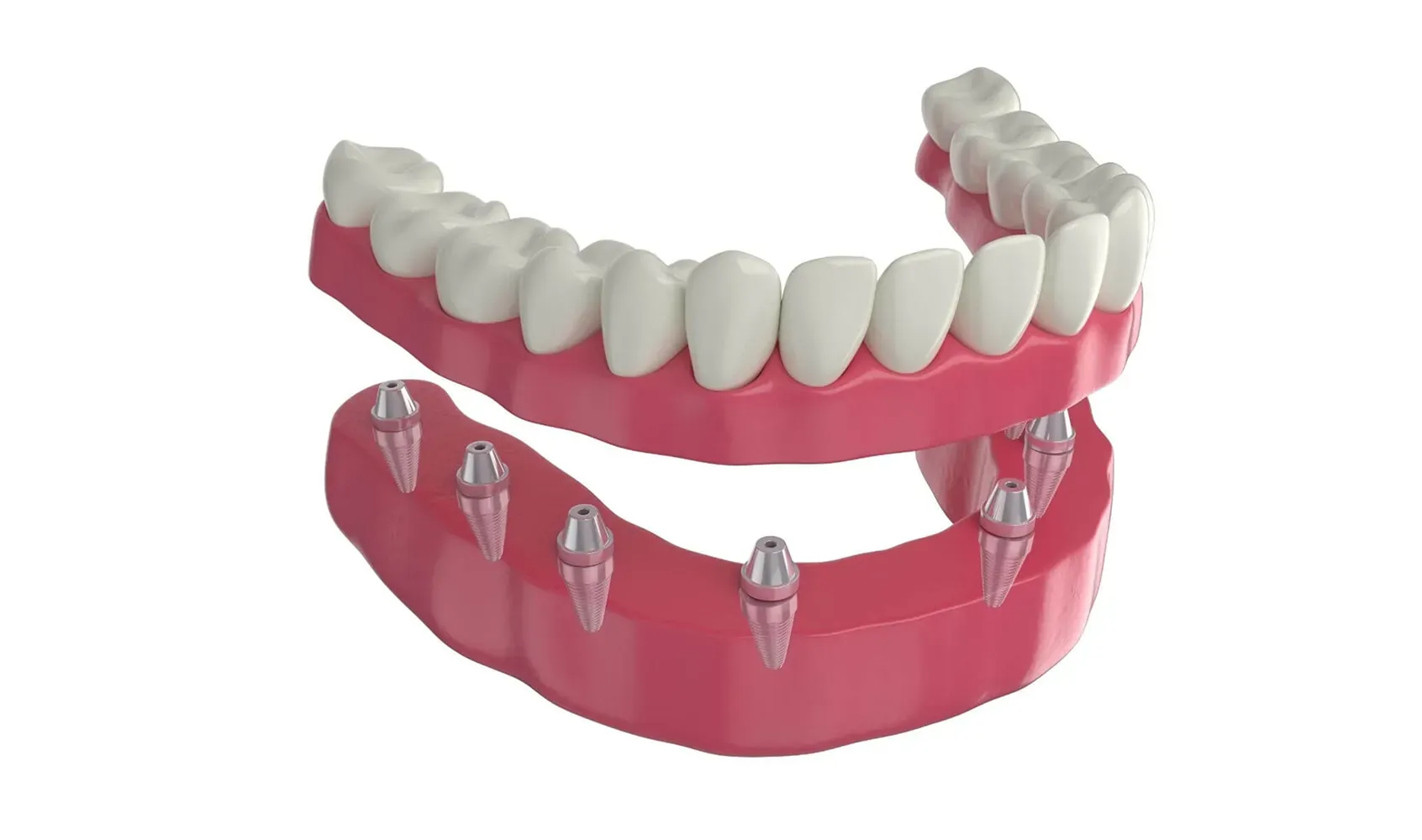
The Future of Implant Dentures
Noble Dental Care
May 7, 2024
Modern restorative dentistry continues to evolve rapidly, giving patients more reliable options for replacing missing teeth with greater comfort and confidence. Traditional removable dentures once served as the standard solution, but many patients experienced slipping, pressure points, and limitations while eating or speaking. Today, implant dentures in Union City are changing expectations by providing improved stability, long-term support, and a more natural feel for everyday life.
Patients from Union City, Fremont, and nearby Newark are increasingly exploring advanced implant-supported solutions because they offer stronger bite performance and a more secure smile. As dental technology progresses, modern prosthetic systems continue to become more precise, comfortable, and aesthetically refined. This article explores how future innovations may further improve implant dentures and transform restorative care for patients seeking dependable tooth replacement options.
Understanding implant denture science
One of the most important foundations of modern Implant support Dentures in Union City is the process known as osseointegration. During this healing phase, the jawbone naturally bonds with the titanium implant posts, creating a durable and stable anchor beneath the gums. This biological connection helps implant dentures remain secure and functional for years when supported by proper oral care and routine dental visits.
Unlike traditional dentures that rest directly on the gums, implant-supported restorations distribute pressure more evenly throughout the jaw. This added support can improve speech clarity, chewing ability, and overall comfort while also helping preserve bone structure over time. Dental professionals carefully monitor healing to ensure the implants integrate successfully with the surrounding tissue.
Dental implants are commonly crafted from biocompatible titanium materials designed to work naturally with human bone. Their advanced surface texture encourages bone cells to attach securely, helping create long-term support for the denture appliance.
As digital dentistry continues to improve, implant placement techniques are becoming more precise and minimally invasive, allowing patients to experience smoother treatment planning and more predictable results.
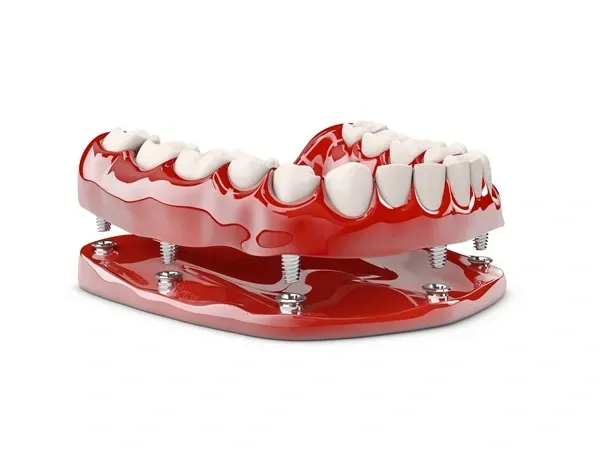
How osseointegration strengthens implant dentures
Osseointegration begins shortly after the implant is placed into the jawbone. The body’s natural healing response stimulates bone cells to gradually attach to the implant surface, building a stable connection that supports long-term function. This process occurs at a microscopic level, where healthy bone tissue fuses around the implant to create dependable structural support.
Healing timelines vary depending on oral health, bone density, and individual treatment needs, but the integration process generally requires several months. Throughout this stage, dentists evaluate healing progress carefully to help ensure the implants remain stable and healthy. Patients who maintain good oral hygiene habits often experience better long-term outcomes and improved comfort with implant-supported restorations.
A collaborative approach to implant dentures
Implant dentures involve careful coordination between oral surgeons, restorative dentists, prosthodontists, and dental technicians. Every phase of treatment, from consultation through final placement, relies on detailed planning and advanced imaging technology. Tools such as 3D scans and computer-guided implant placement help improve precision, fit, and overall patient comfort. Patients looking for long-term restoration options can also learn more by reading the implant denture procedure to better understand the treatment journey.
Future innovations in dentistry
Modern implant dentures already provide life-changing benefits for many individuals dealing with tooth loss, but ongoing research continues to push restorative dentistry even further. Future advancements are expected to improve comfort, functionality, durability, and customization for patients seeking dependable tooth replacement solutions. These innovations may also reduce treatment timelines while increasing long-term success rates.
Below are several exciting developments shaping the future of implant-supported dentures.
Advanced material innovation
Researchers continue exploring stronger and more aesthetic materials for implant-supported restorations. Zirconia, for example, has become increasingly popular because of its durability, natural appearance, and biocompatibility. High-quality materials can help implant dentures look more lifelike while also improving resistance to wear and fractures.
Improved material technology also allows dentists to customize restorations more accurately to match a patient’s natural smile. This personalized approach can create better facial balance, enhanced comfort, and a more seamless appearance during daily activities.
Smart denture technology
Emerging smart denture systems may soon include miniature sensors capable of monitoring oral pressure, chewing habits, and tissue health. These innovations could help dentists identify complications earlier while improving preventive care for patients wearing implant-supported prosthetics.
Future smart systems may also provide reminders for cleaning routines, maintenance visits, and oral hygiene practices. According to the American Academy of Implant Dentistry, continued innovation in implant technology is helping improve both patient comfort and long-term oral function.
Advanced monitoring technology may help dental professionals evaluate bite force patterns and identify areas that need adjustment before larger problems develop.
Digital tracking systems could support more personalized treatment recommendations, helping patients maintain healthier gums and implants for extended periods.
Improved adhesive and attachment systems
Traditional dentures sometimes rely heavily on adhesives to remain stable throughout the day. However, modern implant systems are improving attachment mechanisms to create stronger retention and better comfort. Researchers continue developing more reliable connector systems that reduce movement while improving the overall patient experience.
Enhanced attachment technology may also reduce gum irritation and improve chewing efficiency for patients who previously struggled with loose-fitting dentures. Individuals considering long-term restoration options may benefit from reviewing implant-supported bridges and dentures to compare available treatment choices.
Designs that replicate natural teeth
One major goal in restorative dentistry is designing implant dentures that closely imitate the appearance and function of natural teeth. Future prosthetics are expected to better absorb chewing forces, improve speech patterns, and create more natural jaw movement during everyday activities.
Researchers are studying tooth anatomy in greater detail to improve the shape, contour, and functionality of implant-supported restorations.
Advanced materials and engineering techniques may improve durability while maintaining a realistic appearance.
Better customization can help restorations feel more comfortable and natural for patients with different bite patterns and oral structures.
Digital dentistry and CAD technology continue improving the precision of restorative planning and smile design.
Patients visiting practices in Union City, Hayward, and surrounding communities can now benefit from more personalized implant denture solutions designed for long-term comfort and functionality.
Rapid prototyping and 3D printing
Rapid prototyping and 3D printing technology continue reshaping modern restorative dentistry. Using highly detailed digital scans, dentists can create customized implant dentures with exceptional precision and consistency. This process improves fit while helping reduce the need for repeated adjustments after placement.
Advanced 3D printing techniques may also shorten production timelines, making replacement dentures faster and more efficient for patients. Many dental offices serving Fremont, Newark, and nearby areas are adopting digital workflows to improve treatment accuracy and overall patient satisfaction.
The accuracy provided by digital workflows can significantly improve comfort, bite alignment, and smile aesthetics. As these technologies continue evolving, patients may experience even more efficient treatment processes and highly customized restorative outcomes.
Final Thoughts
The future of implant-supported dentures continues to move toward greater comfort, precision, and long-term reliability. Innovations in digital imaging, restorative materials, smart technology, and customized design are helping improve treatment experiences for patients seeking durable tooth replacement solutions. As modern dentistry evolves, implant dentures are expected to provide even more natural function, aesthetics, and stability for individuals restoring their smiles.
If you are considering modern restorative options, speaking with a trusted Union City Dentist can help you better understand which treatment approach fits your oral health goals. Noble Dental Care provides personalized guidance for patients exploring advanced implant denture solutions in Union City and surrounding communities.
Resource:
Share This:
Disclaimer
This media/content or any other on this website does not prescribe, recommend, or prevent any treatment or procedure. Therefore, we highly recommend that you get the advice of a qualified dentist or other medical practitioners regarding your specific dental condition.
Related Articles
How can Implant Supported Bridges protect your teeth from further damage?
Learn how implant-supported bridges protect teeth, preserve bite balance, and support long-term dental implant care in Union City.
Step-by-Step Dental Implant Procedure
Learn each stage of the dental implant procedure, from consultation to final crown placement. Understand the dental implant timeline at Noble Dental Care.
Dental Implants vs Dentures: Which Option Is Better?
Compare which option is better for dental implants and dentures for missing teeth. Learn comfort, stability, function, and care differences.
Dental Implants Explained: How They Restore Missing Teeth
Learn how dental implants replace missing teeth, restore chewing function, support jawbone health, and help patients smile confidently at Noble Dental Care in…