
Can a Root Canal Save My Tooth? Long-Term Success Rates
by Dr. Syed Sayeedi
December 3, 2025

A root canal is one of the most effective and commonly performed dental procedures to treat infection, relieve pain, and preserve a natural tooth that might otherwise require extraction. But many patients still wonder does a root canal save a tooth, and how successful is it in the long run? Understanding the root canal success rate, tooth preservation potential, and long-term results root canal treatments can help you make an informed decision about your oral health.
Understanding What a Root Canal Does
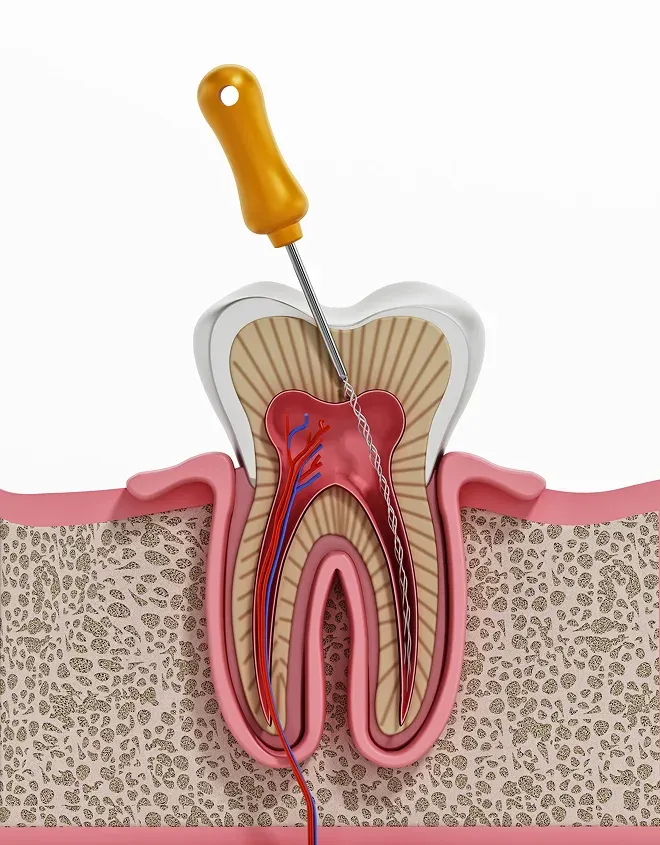
To understand root canal outcomes, it’s essential to first know what the procedure involves. A root canal is performed when the pulp the soft inner tissue of the tooth containing nerves and blood vessels becomes infected or inflamed due to deep decay, cracks, or trauma. During treatment, the dentist removes the infected pulp, cleans the inside of the root, disinfects it, and fills the space to prevent reinfection.
The goal of this procedure is tooth preservation keeping the natural tooth structure intact instead of removing it. Once the root canal is completed and the tooth is restored with a filling or crown, it can continue to function normally for years or even decades.
Does a Root Canal Save a Tooth?
Many patients ask, will a root canal save my tooth? The answer is yes in most cases, it does. The main purpose of a root canal is to eliminate infection while maintaining the tooth’s stability and functionality. Unlike extractions, which remove the tooth completely, root canals allow patients to keep their natural teeth and maintain proper chewing, alignment, and aesthetics.
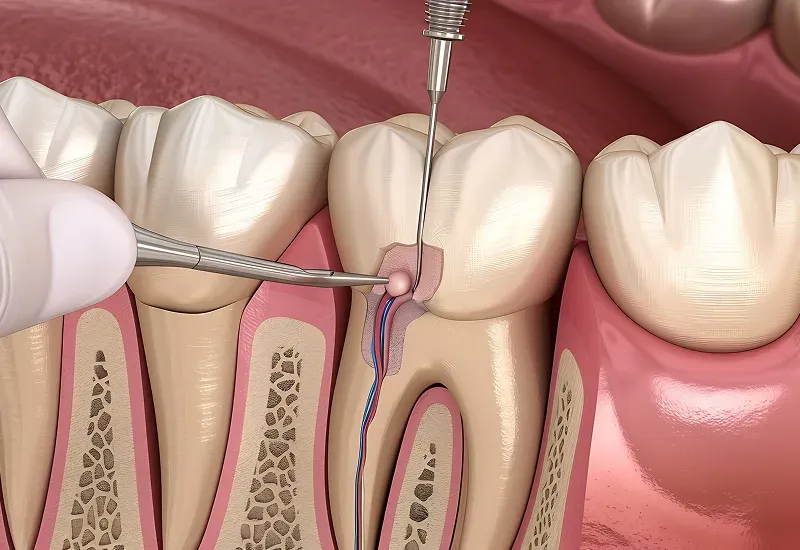
Tooth preservation is a key goal of modern dentistry because natural teeth offer better bite strength and comfort compared to artificial replacements. By addressing infection from within, root canals protect the outer tooth structure and prevent further decay or damage.
However, success depends on multiple factors, including the extent of infection, quality of the dental restoration, and oral hygiene habits after treatment. When performed correctly and maintained well, a root canal can indeed save a tooth for the long term.
Root Canal Success Rate
One of the most common questions patients ask is, how successful are root canals? Studies consistently show that the root canal success rate ranges between 85% and 97%, depending on factors like tooth location, treatment quality, and post-care maintenance.
When a dentist or endodontist performs the procedure with advanced imaging and sealing materials, the chances of long-term success increase significantly. Most patients retain their treated teeth for decades, and in many cases, for a lifetime.
Root canal outcomes are also more predictable than many other restorative procedures. As long as reinfection is prevented and the tooth is properly crowned afterward, the success rate remains very high.
If a root canal fails which can happen due to missed canals, poor sealing, or new decay it can often be corrected with endodontic retreatment or, in rare cases, surgery to remove any remaining infection.
Long-Term Results and Tooth Survival Rates
When it comes to long-term results root canal, research and clinical data show that treated teeth can last a lifetime when properly maintained. In general, tooth survival rates after a root canal are comparable to or even better than teeth restored with other treatments.
A well-done root canal effectively removes bacteria from the inside of the tooth, allowing the structure to heal and remain stable. Once a crown or filling is placed, the tooth is protected from further decay or stress. Studies show that teeth treated with root canals and restored properly have a tooth survival rate of over 90% after 10 years.
The longevity of a treated tooth depends on factors such as:
- Quality of the restoration (especially if a crown is placed promptly)
- Oral hygiene practices, including brushing, flossing, and regular checkups
- Avoidance of excessive biting pressure or teeth grinding
- Prompt management of new cavities or cracks
With proper care, most patients never need further treatment on a successfully treated tooth.
Why Tooth Preservation Matters?
The ability to keep natural teeth is one of the greatest advantages of modern endodontics. Losing even a single tooth can cause a chain reaction neighboring teeth shift, bite balance changes, and the jawbone begins to deteriorate over time. Root canals prevent these complications by maintaining the natural tooth in its place.
Tooth preservation also supports dental longevity, helping maintain a strong bite and healthy gums. Natural teeth, even when restored, are still stronger and more biologically compatible than artificial replacements.
By choosing a root canal instead of extraction, you are investing in durable dental care that supports both function and aesthetics for years to come.
How Long Does a Root Canal Last?
Another common question is, how long does a root canal last? When properly performed and maintained, a root canal can last a lifetime. Most teeth treated with this procedure remain functional for 10–20 years or more, especially when protected with a durable crown.
The key to longevity lies in preventing reinfection. Regular dental visits allow the dentist to monitor the tooth and ensure that the crown or filling remains sealed. Practicing good oral hygiene and avoiding habits like chewing on hard objects or grinding can also extend the life of the treated tooth.
In short, a successful root canal doesn’t just save your tooth temporarily it gives you the chance to enjoy that tooth for decades.
Factors That Influence Root Canal Outcomes
While root canal success rates are high overall, several factors can influence individual results:
1. Extent of Damage:
Teeth with extensive decay or fractures may have a lower chance of long-term survival compared to those treated early in the infection stage.
2. Tooth Location:
Molars, or back teeth, are more complex with multiple canals, making them slightly harder to treat than front teeth. However, experienced dentists still achieve high success rates in these cases.
3. Quality of Restoration:
The crown or filling placed after the root canal plays a vital role. A well-fitted crown seals the tooth and prevents bacteria from re-entering, ensuring long-term protection.
4. Patient Habits:
Good oral hygiene, regular checkups, and avoiding grinding or clenching help maintain the treated tooth for a lifetime.
When all these factors align, root canal outcomes are overwhelmingly positive.
Will a Root Canal Save My Tooth Permanently?
Most of the time, yes. A root canal can permanently save your tooth if it is restored and cared for properly. While no dental treatment can guarantee 100% permanence, the success rate of root canals is among the highest in dentistry.
Modern endodontic techniques, including digital imaging, advanced rotary instruments, and bio-compatible sealing materials, have dramatically improved both comfort and success.
The goal is to not only eliminate pain but to ensure that your tooth remains a healthy, functional part of your smile for decades.
The Link Between Root Canal and Dental Longevity
One of the most remarkable aspects of a root canal is its contribution to dental longevity. By preserving the natural tooth, the surrounding bone and gum tissues remain intact, preventing premature wear or misalignment.
A tooth saved with a root canal can function as effectively as an untreated natural tooth, provided it’s properly restored. This makes the procedure a cornerstone of durable dental care, promoting both health and aesthetics.
Patients who receive timely root canal services experience fewer complications and maintain a stronger bite compared to those who choose extraction and replacement options.
Conclusion
The root canal success rate remains impressively high, making it one of the most reliable treatments in modern dentistry. By addressing infection from within and sealing the tooth effectively, a root canal helps achieve tooth preservation, keeping natural teeth, and ensuring long-term results root canal patients can trust.
For anyone wondering, can I keep my tooth after a root canal or will a root canal save my tooth, the answer is yes with proper treatment and care, you can enjoy your natural smile for many years.
In terms of tooth survival rates, dental longevity, and overall durable dental care, root canals stand out as one of the most effective ways to maintain oral health and prevent future complications. Regular dental visits and strong hygiene habits will keep your treated tooth healthy, functional, and pain-free for life.
Resource:
Root Canal Recovery: What to Expect After Treatment
Patients from Fremont, Newark, and Hayward frequently visit a trusted Union City Dentist for preventive and restorative care.
Choosing a Dentist Union City residents rely on may help detect infections before they progress.
For more information, visit the American Association of Endodontists resource: What Is a Root Canal?.
Additional educational content is available through these root canal warning signs.
Union City Dentist services are available for patients throughout Union City and nearby communities including Fremont and Hayward.
Share This:
Disclaimer
This media/content or any other on this website does not prescribe, recommend, or prevent any treatment or procedure. Therefore, we highly recommend that you get the advice of a qualified dentist or other medical practitioners regarding your specific dental condition.
Related Articles
Root Canal Retreatment: What Happens If a Root Canal Fails?
Find out what to do if a root canal fails and how retreatment can save your tooth.
What Is a Root Canal? Understanding the Basics
Learn about Union City Root Canal procedures, benefits, and recovery. Expert Root Canal Therapy Union City from a leading Union City Dentist.
Root Canal vs. Tooth Extraction: What’s the Best Option
Root canal or extraction? Learn which dental treatment protects your smile, relieves pain, and supports long-term oral health.
How Long Does a Root Canal Take and How Many Visits?
Learn how long a Union City Root Canal appointment may last, whether multiple visits are needed, and what recovery involves.