

How to Tell If You Need a Root Canal: Warning Signs to Watch For
Dr. Syed Sayeedi
August 21, 2025
Root Canal Union City procedures are often surrounded by myths, but in reality, they are highly effective treatments that save natural teeth and eliminate pain. If you’ve been wondering “do I need a root canal?” the answer lies in learning to recognize the warning signals your body gives. Teeth don’t suddenly fail; they usually show clear symptoms before serious damage occurs.
Understanding the signs you need a root canal helps you act before the problem spreads. Unlike a simple cavity, a tooth that requires a root canal is usually suffering from a deeper issue—often an abscessed tooth, dental infection, or deep decay that has reached the pulp. Ignoring these signals can result in severe consequences, from tooth loss to infections spreading to the jaw or bloodstream.
So, what are the most common root canal symptoms? The list includes tooth pain that doesn’t go away, tooth sensitivity to hot or cold, swollen gums, and visible changes like discoloration. Some people also notice a small bump on the gum, which can indicate infection.
By paying attention to these signs early, you’ll not only prevent unnecessary pain but also protect your overall dental health. The following sections break down these symptoms in detail and explain why timely treatment is essential. Readers can also review root canal versus extraction options for additional insight.
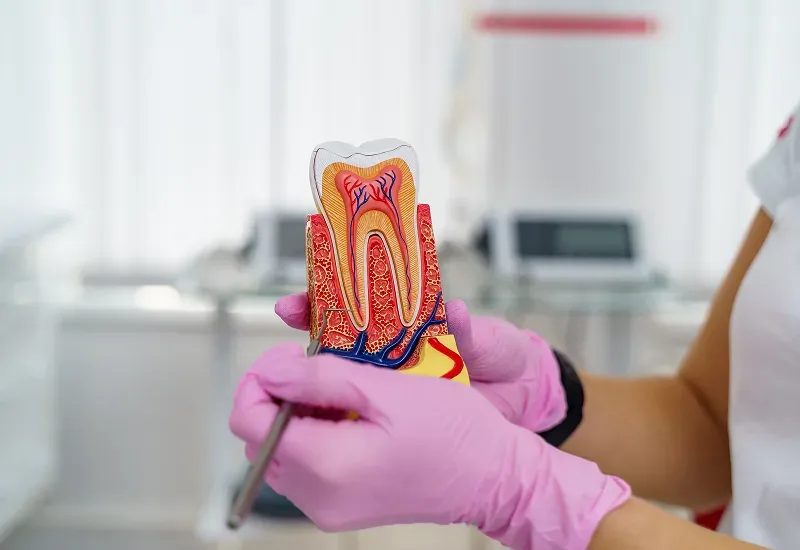
Understanding Root Canal Symptoms Clearly
Many people ask: “How do I know if I need a root canal?” The truth is, the symptoms can overlap with other dental issues. Still, persistent or worsening signs often indicate an infected pulp that needs immediate attention. Recognizing the difference between minor discomfort and serious root canal symptoms is key to protecting your teeth. Patients considering Union City Root Canal Therapy should seek early evaluation for the best outcome.
Persistent Pain That Doesn’t Fade
One of the strongest signs you need a root canal is tooth pain that simply won’t go away. While mild discomfort can come and go with cavities, pain caused by an infection is often constant or returns frequently. It may spread beyond the tooth, reaching your jaw, face, or even ear.
If you’ve ever wondered, “Is throbbing tooth pain a sign I need a root canal?”—the answer is yes. Ongoing pain usually means the pulp inside your tooth is inflamed or infected. Without treatment, the problem will only worsen, making root canal therapy the only way to relieve it.
Other Critical Symptoms to Notice
Other warning signs are just as important. These include:
- Prolonged tooth sensitivity to hot or cold foods and drinks. If you’re asking, “Why is my tooth sensitive to hot and cold?” it might be due to infected pulp.
- Swollen gums near the affected tooth, which may feel tender or develop small bumps.
- Tooth discoloration—a tooth turning gray or dark can signal dying tissue inside.
- Pimple-like abscesses on gums, often a sign of an abscessed tooth.
- Pain when chewing or touching the tooth, indicating nerve involvement.
- Deep decay or cavities that extend to the pulp, often leading to infection.
- Cracked or chipped teeth, which allow bacteria to reach the nerves.
- A lingering bad taste or bad breath, despite good oral hygiene, caused by infection.
Together, these symptoms answer the question: “What are the symptoms of an infected tooth?” If you experience several of these signs, it’s time to see your dentist.
“Your mouth whispers early warnings—listen closely before small dental issues turn into painful, costly treatments.”
What Happens If You Ignore Symptoms
Ignoring root canal symptoms can have serious consequences. A tooth infection doesn’t heal on its own—it only worsens with time. What starts as mild tooth sensitivity or swollen gums can quickly turn into severe tooth pain and a spreading dental infection.
If left untreated, an abscessed tooth can cause pus buildup, jawbone damage, or even spread bacteria into the bloodstream. This not only risks your oral health but also your overall well-being. Research links untreated dental infections to heart problems, diabetes complications, and respiratory illnesses.
Tooth loss is another outcome of ignoring the signs you need a root canal. While extractions may seem like a solution, replacing a tooth with implants or bridges is more costly and complex than saving your natural tooth with a root canal.
Many patients delay treatment because they fear the procedure. In truth, modern root canals are quick, safe, and virtually painless, especially compared to the agony of untreated infection.
So if you’re still asking, “Do I need a root canal?” the rule of thumb is simple: don’t wait for the pain to become unbearable. Early treatment prevents bigger problems.
How Dentists Confirm Root Canal Need
Even with obvious symptoms, only a dentist can confirm if you require root canal therapy. Through an exam, X-rays, and sensitivity tests, they check whether the pulp is infected or dead. X-rays also reveal if bone loss has begun around the root.
These evaluations answer important questions like “What are the symptoms of an infected tooth?” versus other dental issues. A professional diagnosis ensures the treatment plan is accurate—sometimes a filling or crown may suffice, but if infection is present, a root canal is the only option to save the tooth.
Patients from Fremont, Newark, and Hayward frequently visit a trusted Union City Dentist for preventive and restorative care.
Choosing a Dentist Union City residents rely on may help detect infections before they progress.
For more information, visit the American Association of Endodontists resource: What Is a Root Canal?.
Additional educational content is available through these root canal warning signs.
Union City Dentist services are available for patients throughout Union City and nearby communities including Fremont and Hayward.

Need Any Help?
Contact UsTaking Action for Your Dental Health
Recognizing the signs you need a root canal is the first step in protecting your teeth and avoiding painful complications. If you experience persistent tooth pain, tooth sensitivity, or swollen gums, don’t ignore them—these are your body’s way of warning you.
A root canal isn’t something to fear—it’s a solution that eliminates discomfort, saves your natural tooth, and restores your dental health. If you’ve been asking yourself, “Do I need a root canal?” or worrying about “Why is my tooth sensitive to hot and cold?” the best step is to consult your dentist immediately.
By acting early, you’ll avoid the risks of deep decay, abscessed tooth, or spreading dental infection. Remember: early attention can mean the difference between a simple procedure and major oral health issues. Protect your smile today by scheduling that dental visit.
Signs You May Need a Root Canal
Common Warning Signs of Root Canal
If you’ve been wondering, “do I need a root canal?” it’s important to know that teeth usually show clear signals before serious damage occurs. Recognizing the signs you need a root canal early can prevent tooth loss, severe pain, and spreading dental infection.
The most common root canal symptoms include tooth pain that lingers, tooth sensitivity to hot or cold, and swollen gums. You may also notice tooth discoloration, bad breath, or even a pimple-like bump on your gum, which often indicates an abscessed tooth.
What Happens If You Delay Treatment
Ignoring the signs you need a root canal can cause an infection to spread, leading to an abscessed tooth, bone damage, or even bacteria entering your bloodstream. This makes treatment more complicated and costly. Some people avoid care due to fear, but modern root canals are safe, effective, and far less painful than living with infection.
Conclusion:
Recognizing early root canal symptoms—like persistent tooth pain, swollen gums, or tooth sensitivity—can save your natural teeth. If you’ve been asking yourself, “How do I know if I need a root canal?” the safest answer is to consult a dentist right away.
A timely root canal can stop deep decay or dental infection from spreading, restore your oral health, and eliminate pain. Don’t wait until symptoms worsen. Acting early ensures you keep your smile strong and healthy for years to come.
Contact your dentist in Union City, Dr. Zafar Sayeedi, at Noble Dental Care to learn more about Signs You May Need a Root Canal.
Resource:
Teeth Whitening for Sensitive Teeth: What You Should Know
Patients from Fremont, Newark, and Hayward frequently visit a trusted Union City Dentist for preventive and restorative care.
Choosing a Dentist Union City residents rely on may help detect infections before they progress.
For more information, visit the American Association of Endodontists resource: What Is a Root Canal?.
Additional educational content is available through these root canal warning signs.
Union City Dentist services are available for patients throughout Union City and nearby communities including Fremont and Hayward.
Share This:
Disclaimer
This media/content or any other on this website does not prescribe, recommend, or prevent any treatment or procedure. Therefore, we highly recommend that you get the advice of a qualified dentist or other medical practitioners regarding your specific dental condition.
Related Articles
What Is a Root Canal? Understanding the Basics
Learn about Union City Root Canal procedures, benefits, and recovery. Expert Root Canal Therapy Union City from a leading Union City Dentist.
Root Canal Retreatment: What Happens If a Root Canal Fails?
Find out what to do if a root canal fails and how retreatment can save your tooth.
Root Canal vs. Tooth Extraction: What’s the Best Option
Root canal or extraction? Learn which dental treatment protects your smile, relieves pain, and supports long-term oral health.
Sensitive Teeth: Causes, Treatment, and Tips for Relief
Learn the causes of sensitive teeth, treatment options, and when root canal therapy may help protect your smile in Union City.