
What Happens If a Root Canal Fails? Retreatment Guide
by Dr. Syed Sayeedi
October 29, 2025

When a root canal is performed, the purpose is to remove infection, preserve the natural tooth, and prevent further complications. However, sometimes the treatment doesn’t completely succeed, leading to what is known as a failed root canal. In such situations, a procedure called root canal retreatment is often required. Understanding the causes, symptoms, and treatment process helps patients make informed choices about their oral health.
The Importance of Timely Retreatment
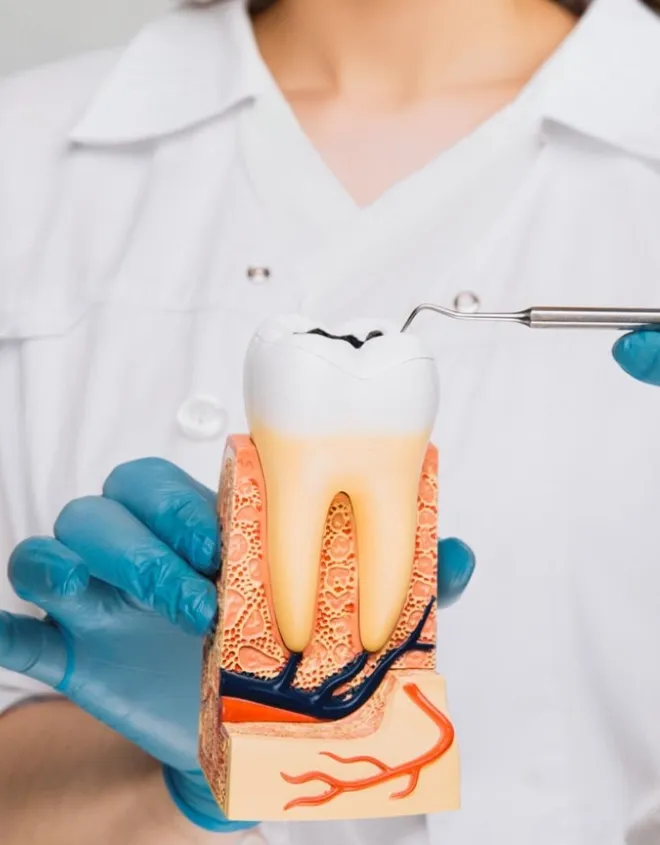
When symptoms such as discomfort, sensitivity, or swelling persist, timely endodontic retreatment becomes crucial. Delaying care can allow infection to worsen, which might eventually make tooth extraction unavoidable. Early diagnosis and intervention ensure that the repair of the root canal is more effective and that the chances of saving the tooth remain high.
Additionally, protecting the treated tooth with a crown after retreatment is vital to strengthen the structure and prevent future damage. This step significantly improves the long-term success of the procedure.
Can You Redo a Root Canal?
Yes, you can. When asked, “Can you redo a root canal?”, the answer is that a second root canal or endodontic retreatment can successfully restore the tooth in many cases. During this procedure, the canals are re-opened, cleaned, disinfected, and resealed using advanced materials designed to block bacterial entry.
The purpose of retreatment is to correct the problems that caused the original failure and to preserve the tooth’s structure and function. Patients who undergo this procedure often find relief from persistent tooth pain and are able to maintain their natural teeth for many years afterward.
Understanding a Failed Root Canal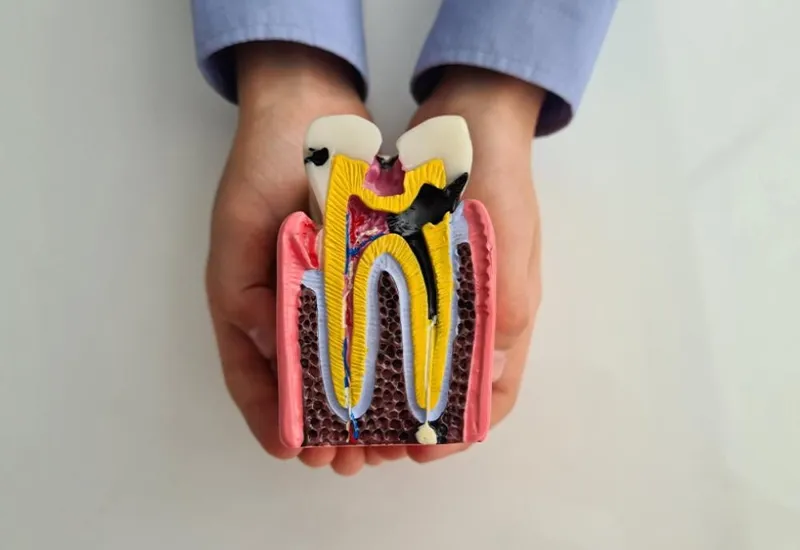
A failed root canal occurs when bacteria re-enter the tooth or the infection persists even after the first treatment. The issue can arise shortly after the procedure or even years later. The primary reason this happens is incomplete removal of infected tissue or the presence of hidden canals that were not treated initially. Other factors, such as a delayed crown placement, tooth fractures, or leakage from old fillings, can also allow bacteria to re-infect the area.
This reinfection can lead to swelling, tenderness, or discomfort. In such cases, the only way to restore the tooth is through endodontic retreatment, sometimes referred to as a second root canal. The procedure gives the tooth another chance at healing by cleaning and sealing the root system again.
Common Signs and Symptoms
Many patients wonder, “How do I know if my root canal failed?” The signs can be subtle at first, but often become noticeable over time. Persistent pain or sensitivity after the initial procedure is one of the most common indications. Swelling around the gums, recurring pimple-like bumps (abscesses), or darkening of the treated tooth are also signals that something may be wrong.
While mild discomfort is normal for a short period following treatment, long-term or increasing pain can mean that bacteria are still active inside the tooth. Persistent swelling or pressure while chewing also suggests a reinfection that requires professional attention.
What Happens If a Root Canal Doesn’t Work?
Patients often ask, “What happens if a root canal doesn’t work?” In most cases, the solution is a root canal retreatment. This process begins with a detailed examination, including X-rays, to identify any missed or infected areas. The dentist or endodontist then removes the old filling material from the canals, cleans the internal spaces thoroughly, and disinfects the area to eliminate any remaining bacteria.
Once the tooth has been cleaned, it is refilled and sealed again to prevent future infection. In more complex cases, when the internal structure of the tooth is difficult to reach, a revision root canal or surgical approach might be needed. This allows access to areas that were previously untreated. If the damage is too severe, extraction may be considered, but the goal of repairing a root canal through retreatment is to save the natural tooth whenever possible.
Long-Term Outlook After Root Canal Retreatment
After undergoing root canal retreatment, most patients experience significant relief and can maintain their treated tooth for many years, provided proper care is taken. The success of the procedure largely depends on how thoroughly the endodontic retreatment was performed and how well the tooth is restored afterward. A permanent filling or crown plays a vital role in sealing the canals and preventing reinfection. Without this final step, the tooth remains vulnerable to bacteria and possible failure again.
Maintaining good oral hygiene habits also supports long-term success. Brushing twice daily, flossing, and attending routine dental checkups help ensure that the treated tooth and surrounding ones remain healthy. Even though the tooth no longer contains living pulp, it still requires the same care and protection as any other tooth.
It is also normal for patients to wonder how long a second root canal will last. With advances in materials and techniques, retreatment can provide durable, lasting results comparable to an original root canal. When properly restored and cared for, a retreated tooth can function normally for decades without issue.
Monitoring the tooth regularly through dental visits ensures that any minor problems, such as cracks or leaks, are detected early. By staying proactive and following recommended care routines, patients can confidently maintain their natural smile and avoid the need for more invasive procedures later on.
Why Do Some Root Canals Fail?
The question “Why do some root canals fail?” is common among patients. There is no single reason, but rather a combination of factors. Complex tooth anatomy, missed canals, inadequate cleaning, or delayed crown placement can all contribute. Sometimes, new decay or cracks in the crown allow bacteria to enter the tooth again.
Even with modern techniques, root canals are delicate procedures that depend on precision and aftercare. This is why post-treatment monitoring and timely restoration with a crown are critical. Ignoring symptoms or delaying retreatment can allow the infection to spread deeper, affecting surrounding tissues or bone.
Conclusion
A root canal retreatment gives patients another opportunity to save a tooth that didn’t heal properly the first time. Recognizing early signs of a failed root canal, such as persistent tooth pain or reinfection, can prevent complications and help preserve the natural tooth structure. If you experience swelling, discomfort, or sensitivity after a root canal, it may be time to consider a second root canal or revision root canal to restore your oral health.
If you suspect your previous root canal hasn’t fully healed or you’re noticing signs of infection, schedule an evaluation for endodontic retreatment. Early attention to a failed root canal can make the difference between saving your natural tooth and losing it, ensuring lasting comfort and dental stability.
Resource:
Can Advanced Periodontal Disease Be Reversed?
Patients from Fremont, Newark, and Hayward frequently visit a trusted Union City Dentist for preventive and restorative care.
Choosing a Dentist Union City residents rely on may help detect infections before they progress.
For more information, visit the American Association of Endodontists resource: What Is a Root Canal?.
Additional educational content is available through these root canal warning signs.
Union City Dentist services are available for patients throughout Union City and nearby communities including Fremont and Hayward.
Share This:
Disclaimer
This media/content or any other on this website does not prescribe, recommend, or prevent any treatment or procedure. Therefore, we highly recommend that you get the advice of a qualified dentist or other medical practitioners regarding your specific dental condition.
Related Articles
Can a Root Canal Save My Tooth? Long-Term Success Rates
The root canal success rate remains impressively high, making it one of the most reliable treatments in modern dentistry.
Step-by-Step Guide to the Root Canal Procedure
Explore each stage of a Union City Root Canal procedure, recovery tips, and what patients from Fremont, Newark, and Hayward should expect.
What Is a Root Canal? Understanding the Basics
Learn about Union City Root Canal procedures, benefits, and recovery. Expert Root Canal Therapy Union City from a leading Union City Dentist.
Signs You May Need a Root Canal
Recognizing early root canal symptoms—like persistent tooth pain, swollen gums, or tooth sensitivity—can save your natural teeth.