
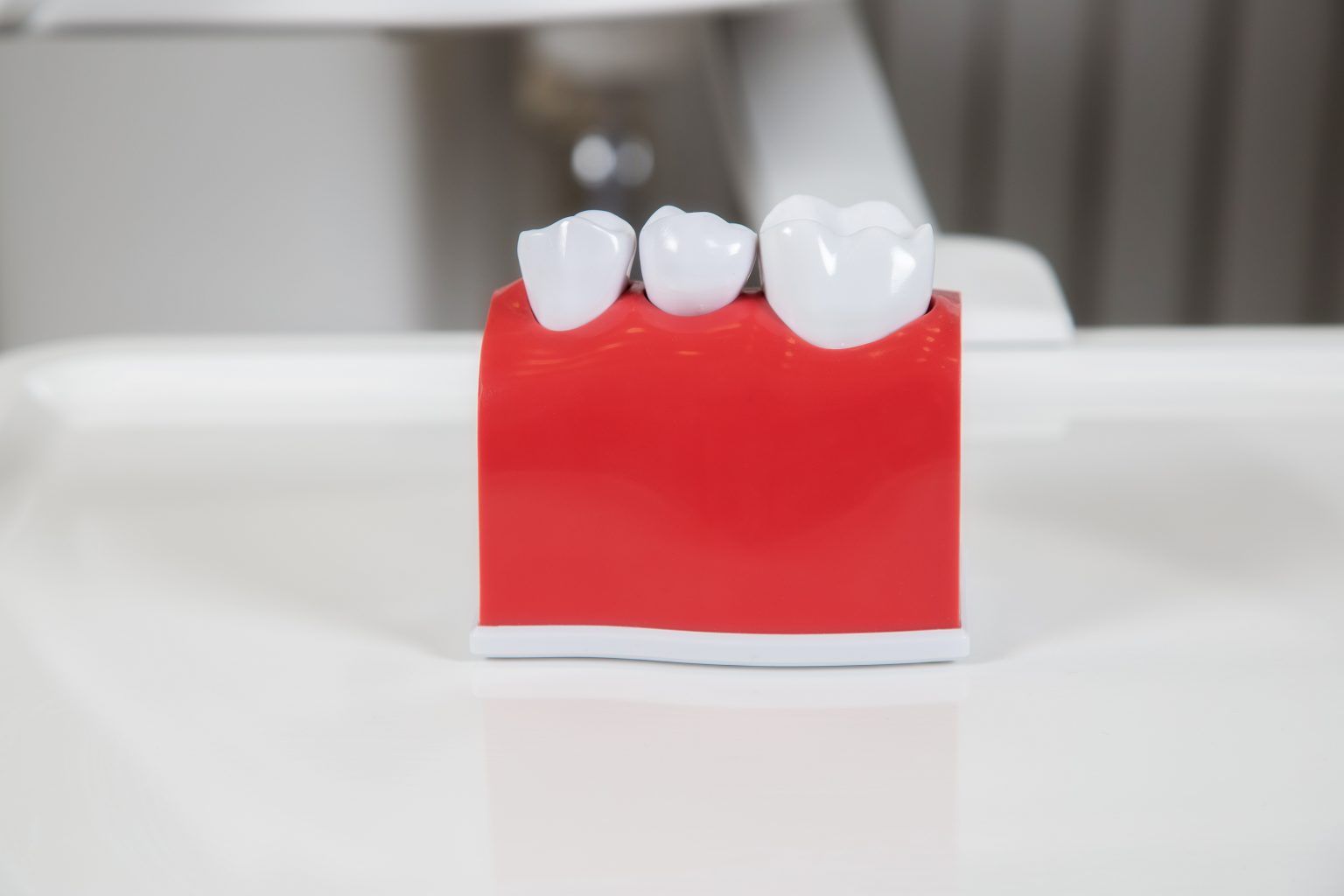
Types of Dental Crowns: Exploring Your Options
Noble Dental Care
September 10, 2024
Dental crowns remain one of the most trusted solutions for repairing weakened, cracked, or severely decayed teeth. Modern restorations improve chewing function, strengthen compromised teeth, and enhance the appearance of your smile at the same time. Patients searching for Dental Crown Union City treatment often discover there are several crown styles and materials designed to match different dental needs and cosmetic goals.
This guide explains the most common crown options available today, how they differ, and what factors influence the best choice for your smile. Whether you live in Union City, Fremont, Newark, or Hayward, understanding your restoration options can help you feel more confident during conversations with your dental provider. Patients considering a Union City Dental Crown procedure should review the advantages of each type before starting treatment.
Different Types of Dental Crowns You Should Understand
Below are several commonly recommended dental crown options used in modern restorative dentistry:
Traditional Dental Crowns
Traditional dental crowns continue to be widely used because they provide dependable protection and long-term durability. These crowns are commonly fabricated from porcelain-fused-to-metal or ceramic materials that closely resemble natural teeth while supporting damaged tooth structure.
Most traditional crowns are custom-made in a dental laboratory and usually require two appointments. During the first visit, the dentist removes decay, reshapes the tooth, and prepares it to securely hold the restoration. Digital or physical impressions are then created to ensure the crown fits comfortably and naturally.
At the second appointment, the permanent crown is bonded into place to restore appearance, strength, and bite function. Many patients from Fremont and nearby communities choose this option because of its predictable and long-lasting results.
Temporary Dental Crowns
Temporary crowns are generally crafted from acrylic or stainless steel materials and are intended for short-term use while a permanent restoration is being fabricated.
Although temporary crowns are not as durable or natural-looking as permanent restorations, they play an essential role in protecting the prepared tooth between appointments. They are typically secured with temporary cement, allowing the dentist to remove them easily once the final crown is ready.
Same-Day Crowns
Advances in digital dentistry have made same-day crowns increasingly popular among patients seeking efficient restorative care.
Using advanced CAD/CAM technology, dentists can capture a digital impression of the tooth and design the restoration during a single visit. The crown is then milled in-office, eliminating the need for a separate dental laboratory and reducing overall treatment time.
Same-day crowns are usually made from ceramic materials that provide attractive aesthetics and dependable function. Patients interested in Dental Crown Union City solutions often appreciate the convenience of completing treatment in one appointment.
3/4 or On-lay Crowns
3/4 or on-lay crowns are considered a more conservative restoration because they preserve a larger portion of the natural tooth. Unlike full crowns that cover the entire visible tooth structure, on-lays restore only the damaged areas.
These restorations are frequently recommended when the tooth still has healthy structure remaining but requires reinforcement after decay or fracture. Preserving natural enamel can improve long-term tooth strength and function.
On-lay crowns may be fabricated from porcelain, ceramic, or composite resin materials depending on the patient’s oral health goals and cosmetic preferences. Patients from Newark and Hayward often choose this minimally invasive option when appropriate.
Popular Crown Material Options for Restorative Dentistry
Understanding crown materials can help you compare durability, aesthetics, and long-term performance:
Metal Crowns
Metal crowns have been used successfully for decades because of their exceptional strength and longevity. These restorations are typically made from durable metal alloys that resist wear and withstand heavy chewing pressure, making them ideal for molars and premolars.
Porcelain Crowns
Porcelain crowns are favored for their realistic appearance and ability to closely match natural teeth. Because porcelain reflects light similarly to enamel, these crowns blend seamlessly into the smile.
They are often recommended for front teeth or other visible areas where aesthetics are especially important. Many patients seeking a Union City Dental Crown restoration choose porcelain because of its lifelike appearance and stain resistance.
For additional insight into restorative treatment planning, read this detailed overview of the crown placement process.
PFM Crowns (Porcelain-Fused-to-Metal)
PFM crowns combine a durable metal base with a porcelain exterior to create a balance between strength and appearance. The metal framework provides stability, while the porcelain layer improves the overall cosmetic result.
These crowns are commonly recommended for both front and back teeth because they offer dependable performance and a more natural look than full-metal restorations. Over time, however, the underlying metal may become visible near the gumline in some cases.
Pressed Ceramic Crowns
Pressed ceramic crowns are produced using advanced manufacturing techniques that allow for highly accurate and natural-looking restorations.
Created from a single block of ceramic material, these crowns provide impressive durability, stain resistance, and aesthetic appeal. They are often selected by patients who prefer metal-free dental restorations for both visible and non-visible teeth.
Resin Crowns
Resin crowns are fabricated from a combination of ceramic and plastic materials. They can be color-matched to surrounding teeth, making them an affordable cosmetic restoration option for certain patients.
Although resin crowns are generally more budget-friendly, they may wear faster than ceramic or zirconia crowns. Patients with heavy bite pressure or nighttime grinding may require stronger alternatives for long-term durability.
Stainless Steel Crowns
Stainless steel crowns are most frequently used as temporary restorations or in pediatric dentistry. These pre-made crowns can be fitted quickly to protect a damaged tooth until a permanent solution is completed.
They are durable, cost-effective, and require minimal preparation, which makes them useful in situations where fast treatment is necessary. However, because of their metallic appearance, they are usually placed on less visible teeth.
Patients interested in preserving restorations can also review the long-term benefits of crowns and bridges for additional oral health guidance.
All-Ceramic Crowns
All-ceramic crowns are highly regarded for their natural translucency and realistic appearance. Since they contain no metal, they are an excellent choice for individuals with metal sensitivities or patients seeking highly aesthetic restorations.
These crowns provide excellent cosmetic results and biocompatibility while supporting healthy gum tissue. They are commonly used for front teeth where appearance plays an important role in smile design.
According to the American Dental Association, dental crowns help restore damaged teeth while improving overall oral function and long-term protection.
Zirconia Crowns
Zirconia crowns are known for exceptional strength, fracture resistance, and longevity. These restorations are created from zirconium dioxide, a highly durable ceramic material that works well for both front and back teeth.
Zirconia crowns provide an attractive appearance while handling significant chewing forces. Because of their durability, they are often recommended for patients who grind their teeth or require stronger restorations for molars.
Many patients from Fremont, Newark, and Hayward choose zirconia restorations because they combine durability with improved aesthetics compared to traditional metal crowns.
Gold Crowns
Gold crowns have a long history in restorative dentistry and are valued for their durability, precise fit, and ability to withstand years of biting pressure. Gold alloys are highly biocompatible and rarely cause irritation or allergic reactions.
Another advantage is that gold crowns require less removal of healthy tooth structure during preparation. While they may not match natural teeth cosmetically, they continue to be a trusted option for back teeth.
E-Max Crowns
E-max crowns are premium all-ceramic restorations crafted from lithium disilicate ceramic. They are widely recognized for their impressive translucency, strength, and highly aesthetic finish.
These crowns are especially popular for front teeth because they create a lifelike appearance while maintaining reliable durability. Their ability to blend naturally with neighboring teeth makes them a preferred option for cosmetic smile restorations.
Although highly aesthetic, e-max crowns may not always be the ideal choice for patients with severe grinding habits or extreme bite forces.
Final Thoughts
Choosing the ideal dental crown depends on several factors, including the location of the tooth, cosmetic goals, bite pressure, and overall oral health. Every restoration material offers different advantages, so discussing your options with a qualified dental professional is the best way to determine the right solution for your smile.
If you are looking for an experienced Union City Dentist, the team at Noble Dental Care can help you compare restoration choices and create a personalized treatment plan for long-lasting oral health.
Resource:
Share This:
Disclaimer
This media/content or any other on this website does not prescribe, recommend, or prevent any treatment or procedure. Therefore, we highly recommend that you get the advice of a qualified dentist or other medical practitioners regarding your specific dental condition.
Related Articles
What are the different types of veneers? How to select the right one?
Compare veneer types, porcelain benefits, costs, care, and smile design tips from a Union City dentist before choosing your best cosmetic smile option.
A guide on the best materials for Full & Partial Dentures
Compare full and partial denture materials, comfort, fit, durability, and care needs to choose the right tooth replacement option in Union City today.
Exploring the Power of Dental Crowns and Bridges
How dental crowns and bridges repair weak, damaged or missing teeth, protect your bite and restore a natural-looking smile.
The Future of Implant Dentures
Explore future innovations in implant dentures in Union City, including smart technology, 3D printing, comfort, and natural-looking results.